
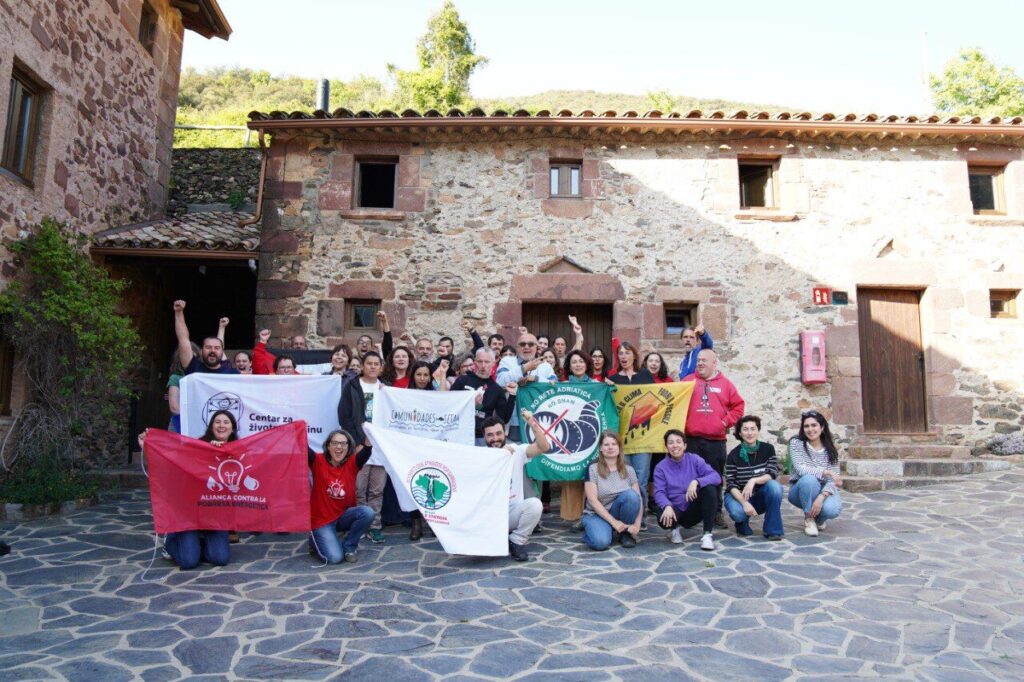
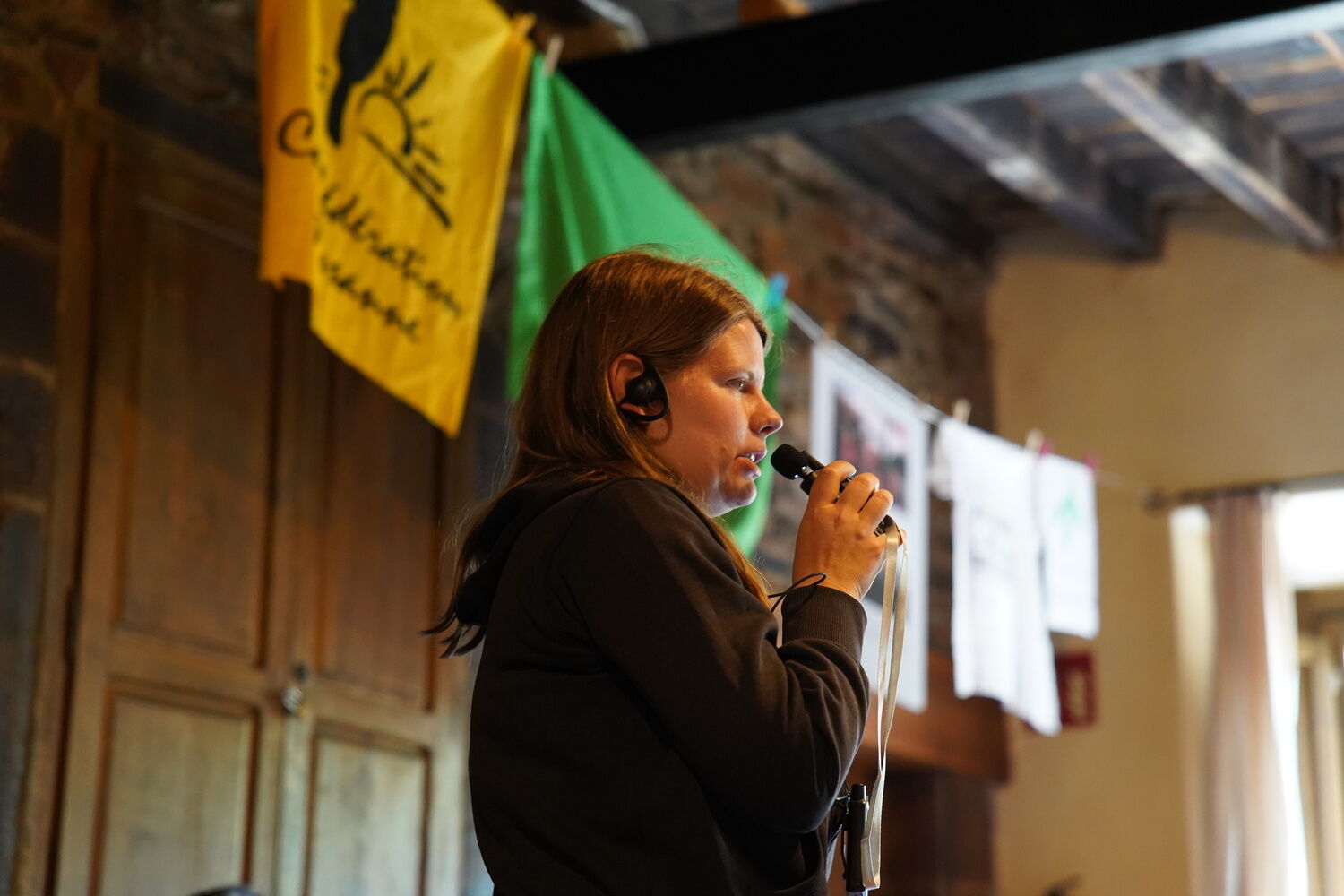
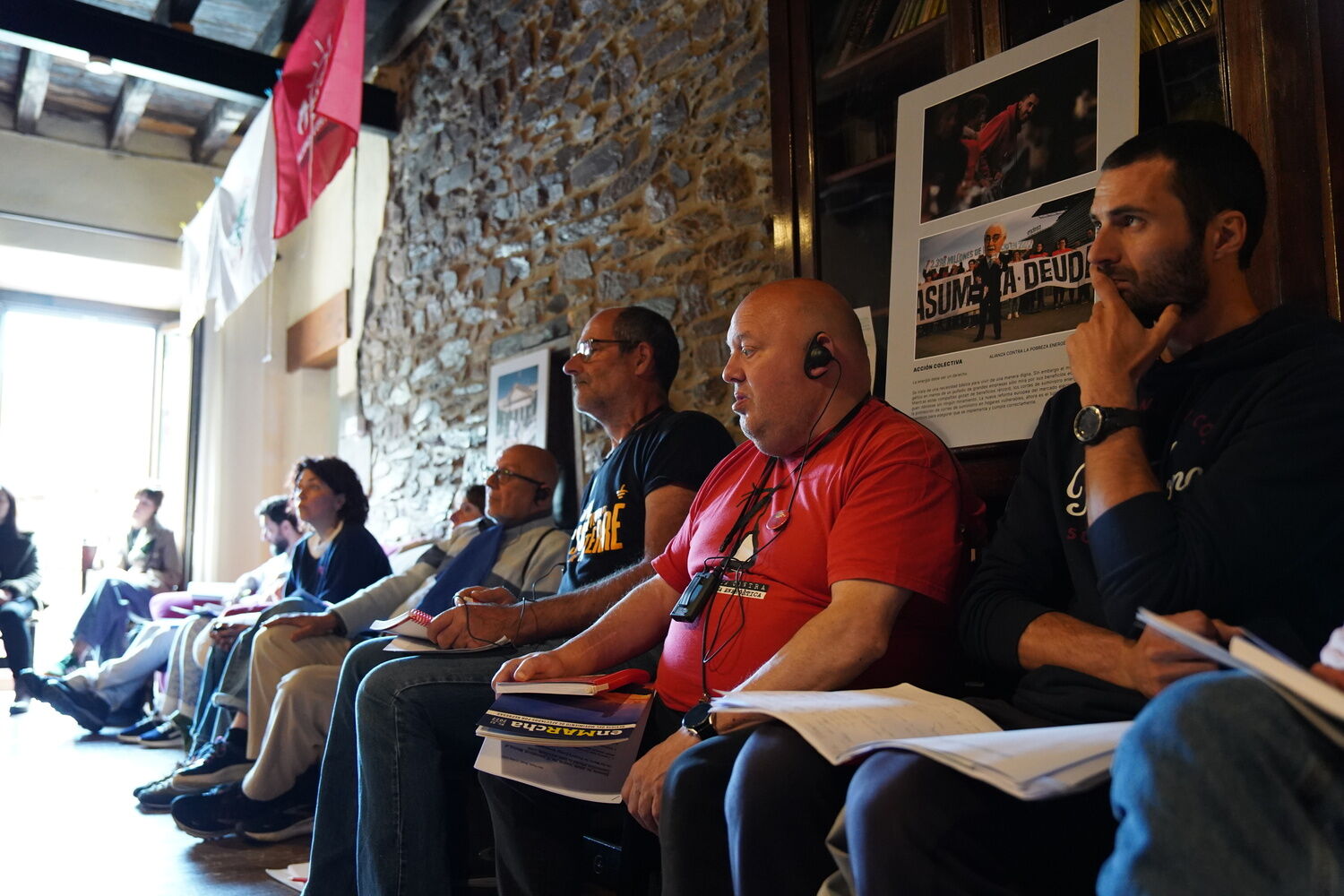
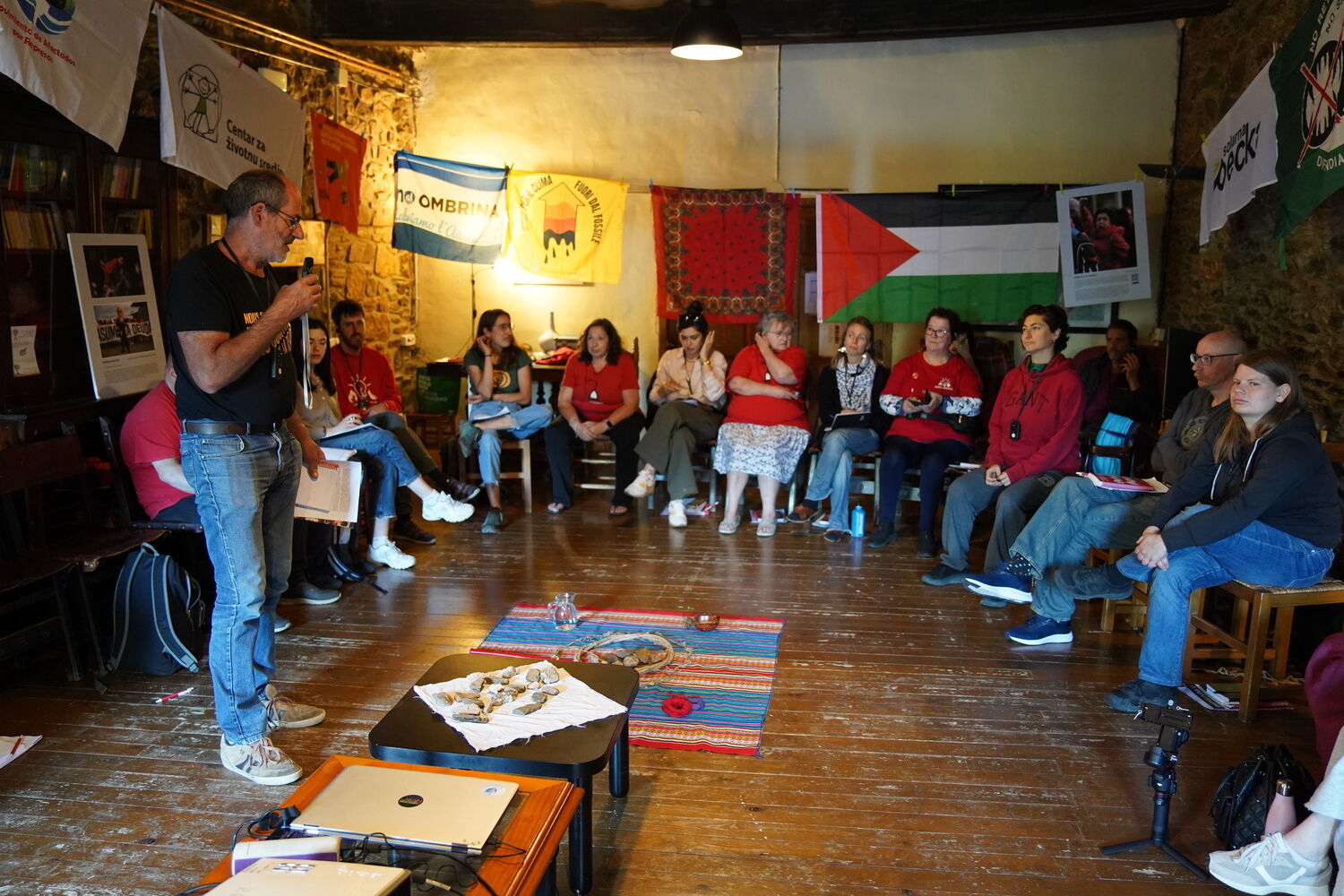
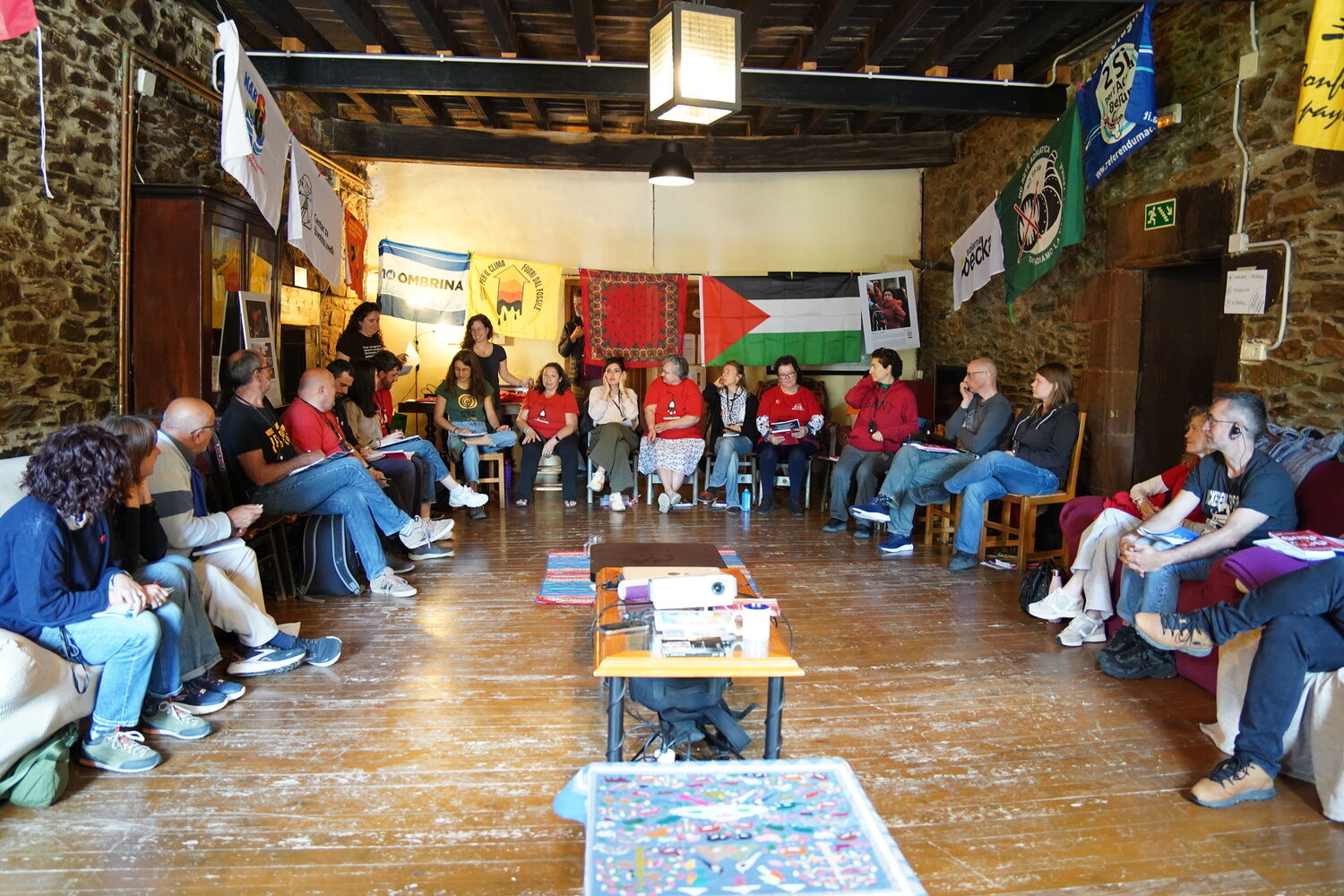
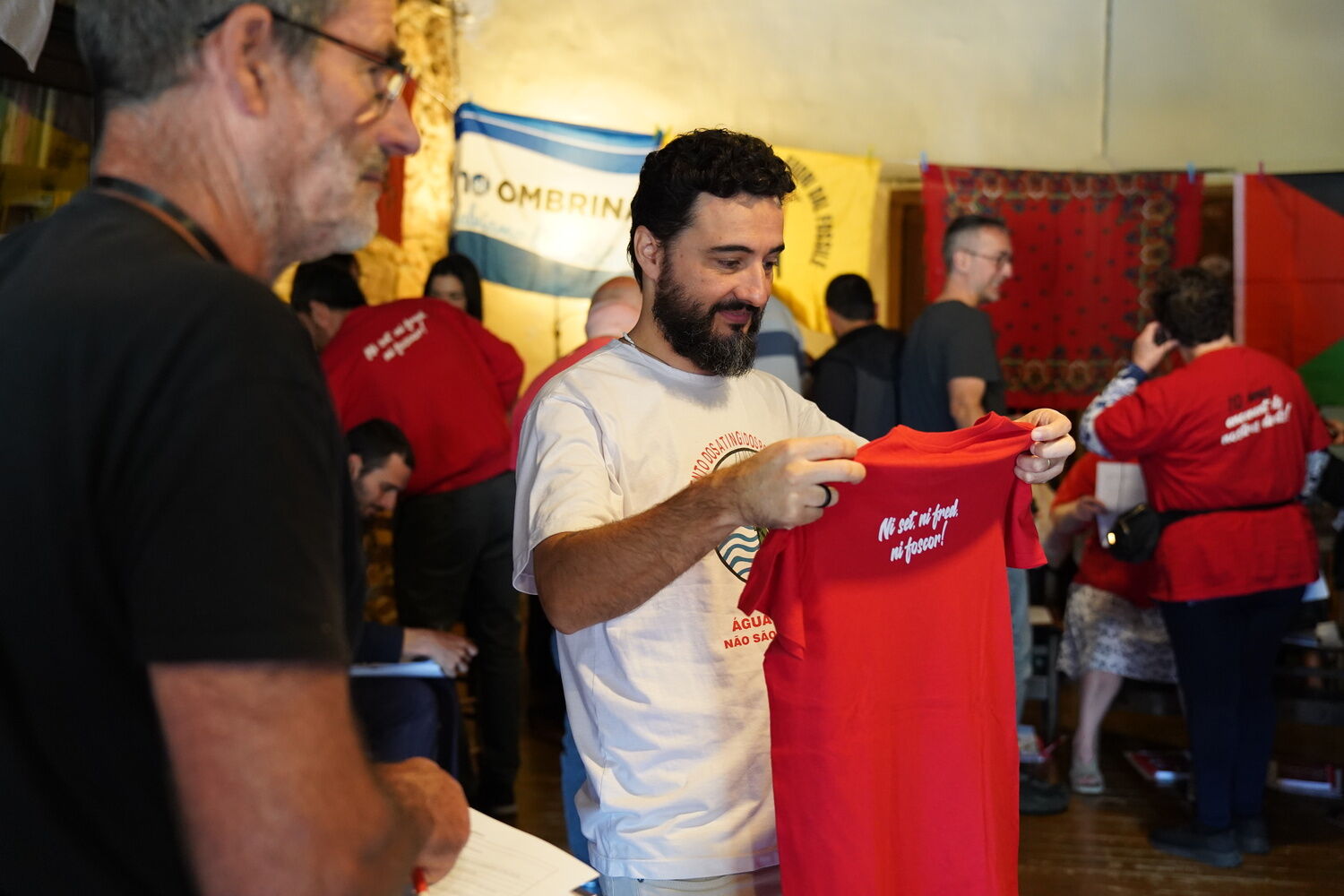
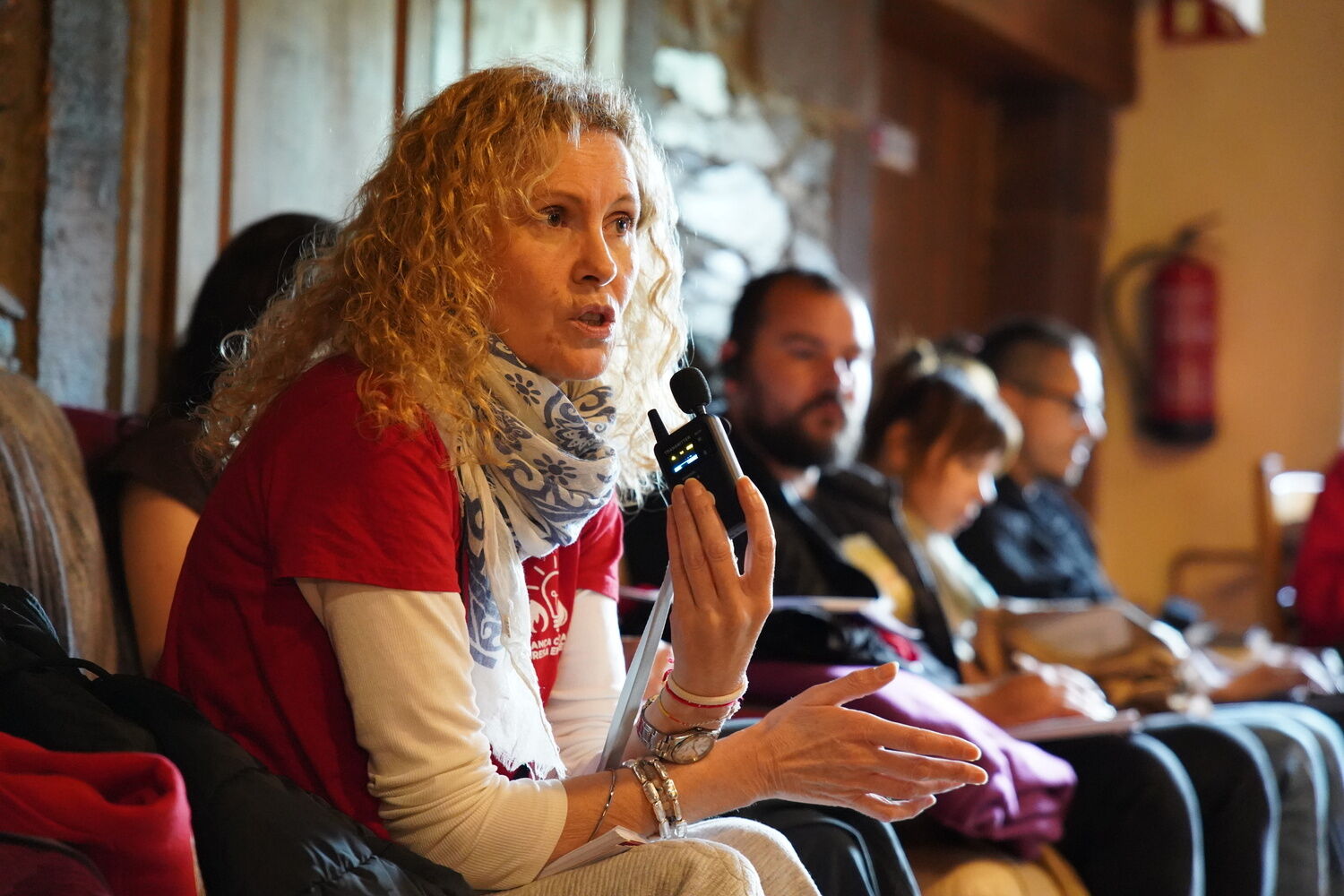
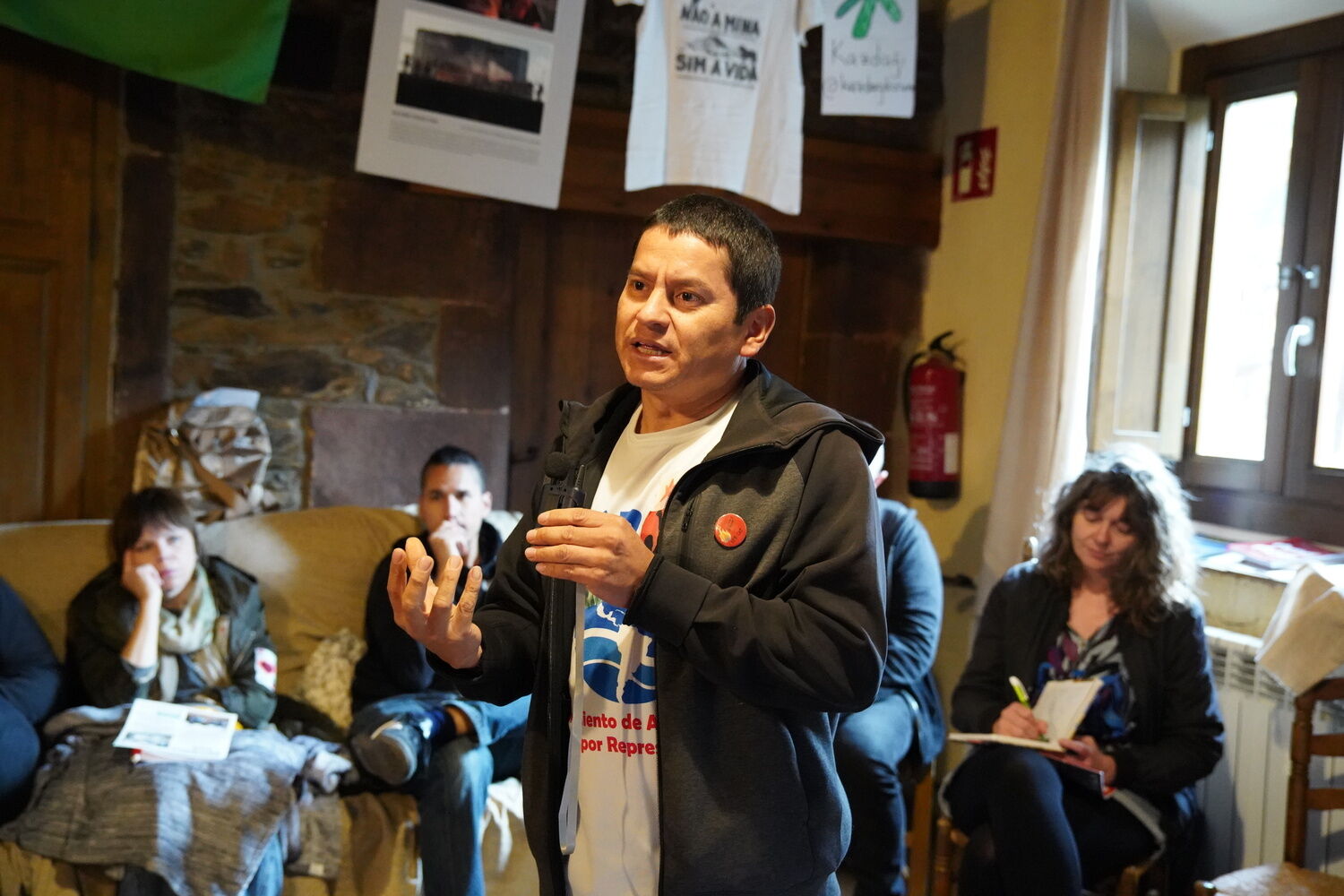
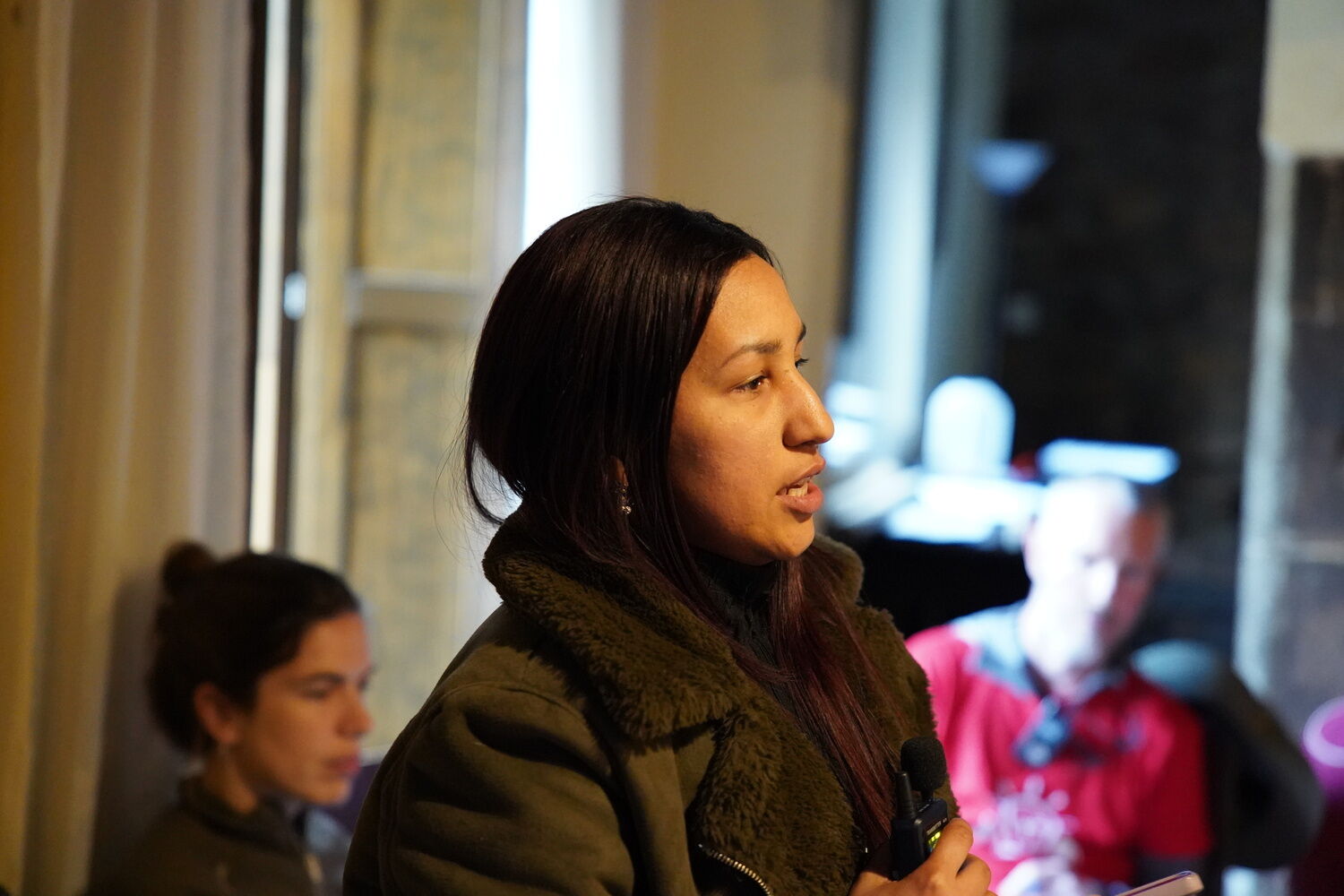
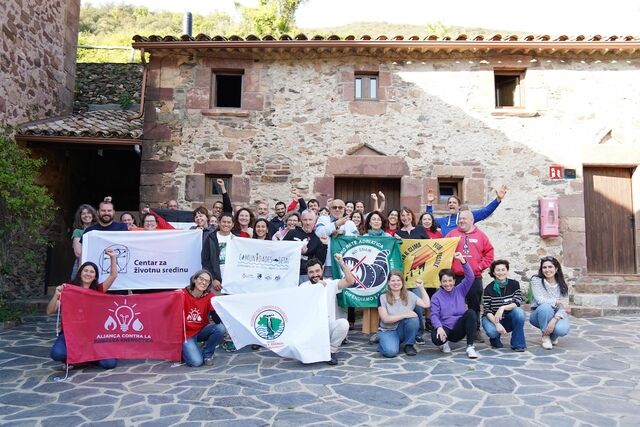
The European gathering of people affected by the energy model and the climate crisis, which brought together 16 organizations from across the continent, was held last week in Spain with the goal of exchanging experiences and building joint strategies in preparation for the 4th International Meeting of Communities Affected by Dams and the Climate Crisis, which will be held this year in the city of Belém, Brazil.
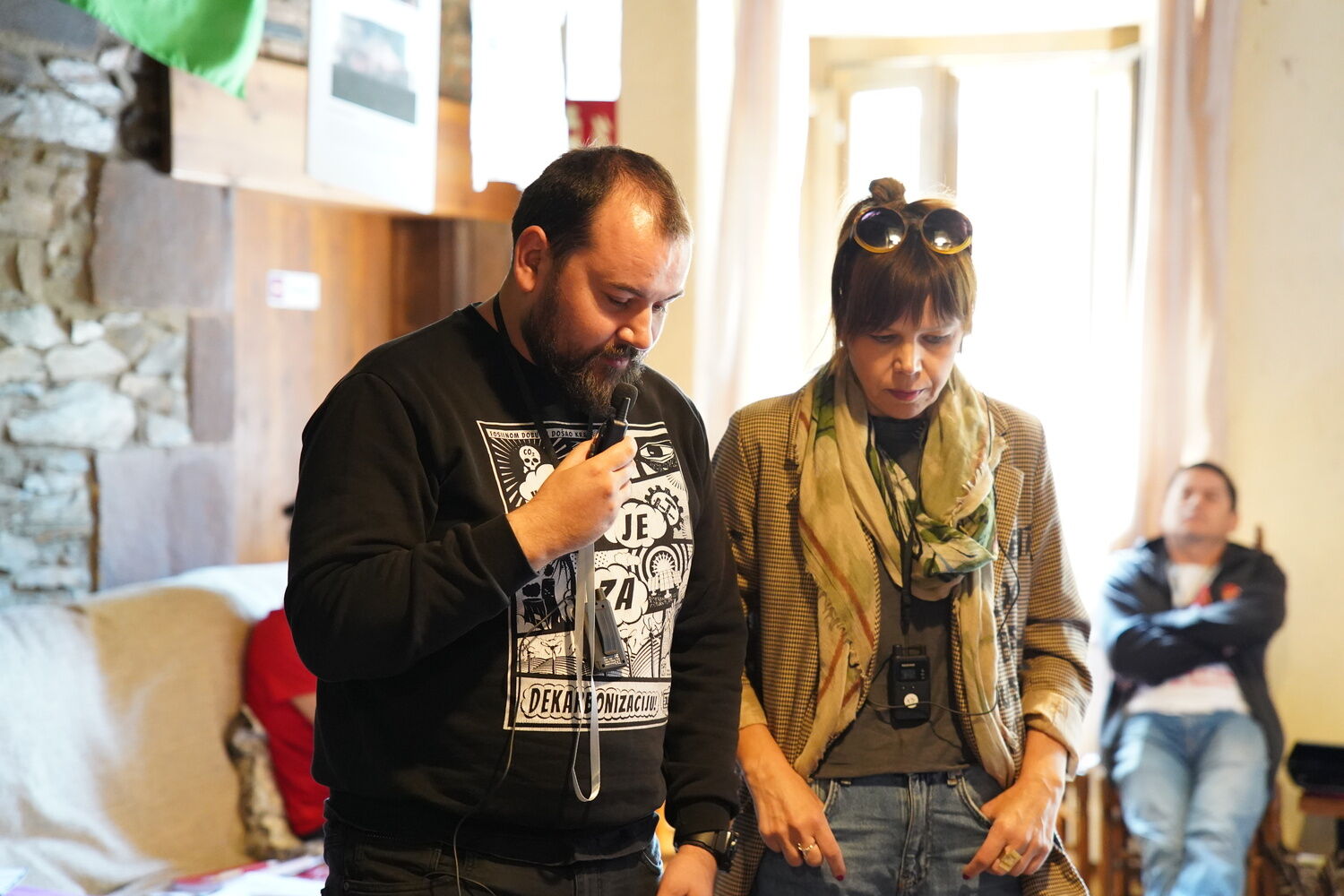
The Center for Environment is actively involved in organizing both meetings, and its representatives in Spain also presented current issues in the areas of energy and climate change in Bosnia and Herzegovina, with particular focus on the harmful hydropower projects and the opening of new mines and their negative impact on nature and people.
The meetings were initiated by the Brazilian organization and social movement “Movimento dos Atingidos por Barragens” (MAB – Movement of People Affected by Dams), which was established in the late 1970s to organize people affected by dams in Brazil in order to fight for their rights. The Center for Environment has previously exchanged experiences and struggles with MAB representatives, and in 2020, members of our organization participated in a five-day march in memory of the victims of the Brumadinho dam collapse. Hundreds of people from Brazil and around the world marched from Belo Horizonte to the town of Brumadinho to draw attention to the injustice and tragedy that took nearly 300 lives.
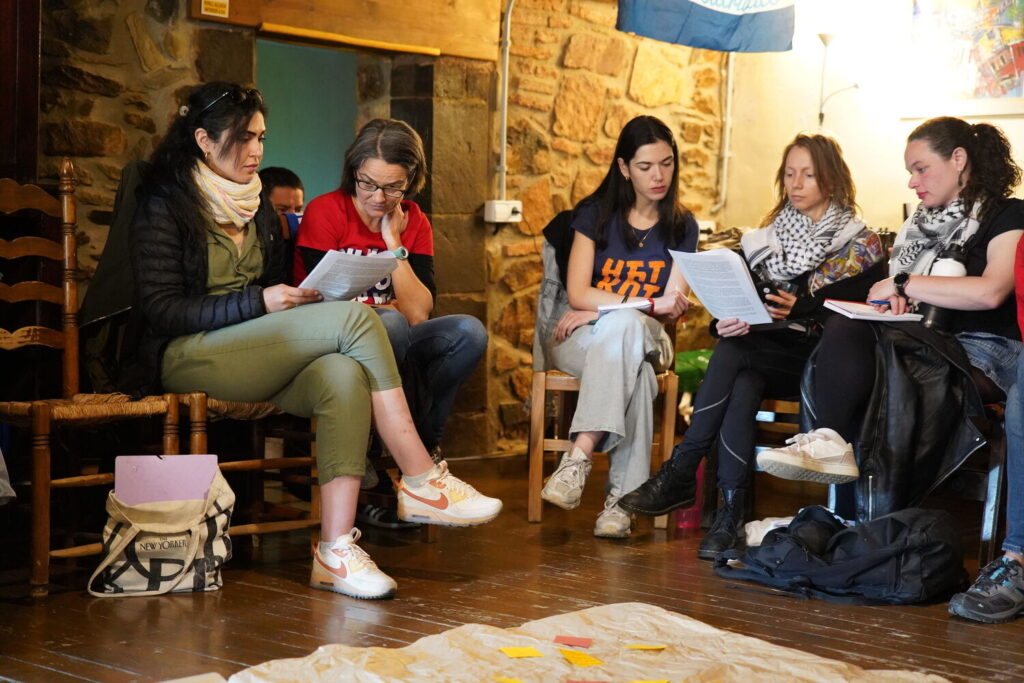
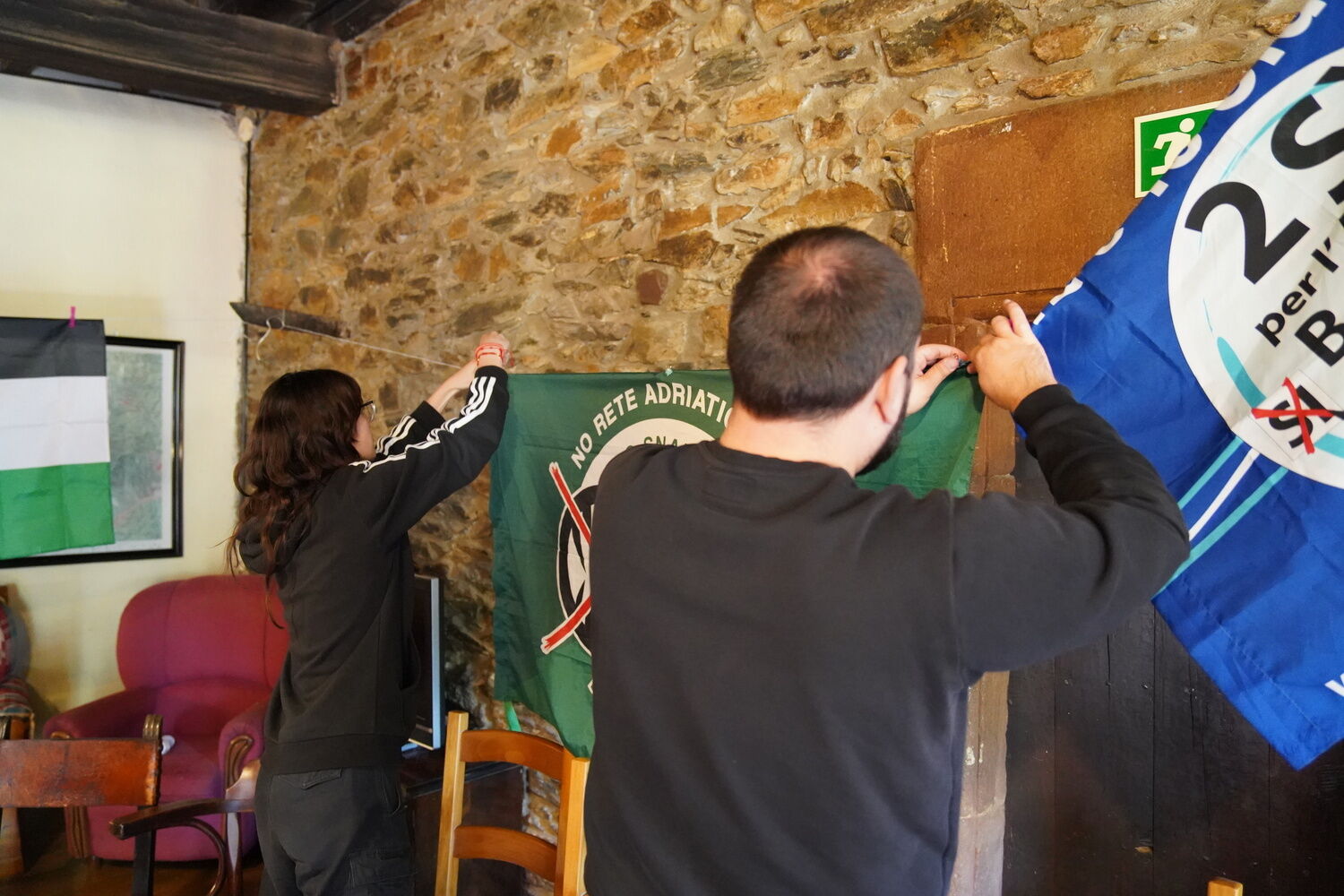
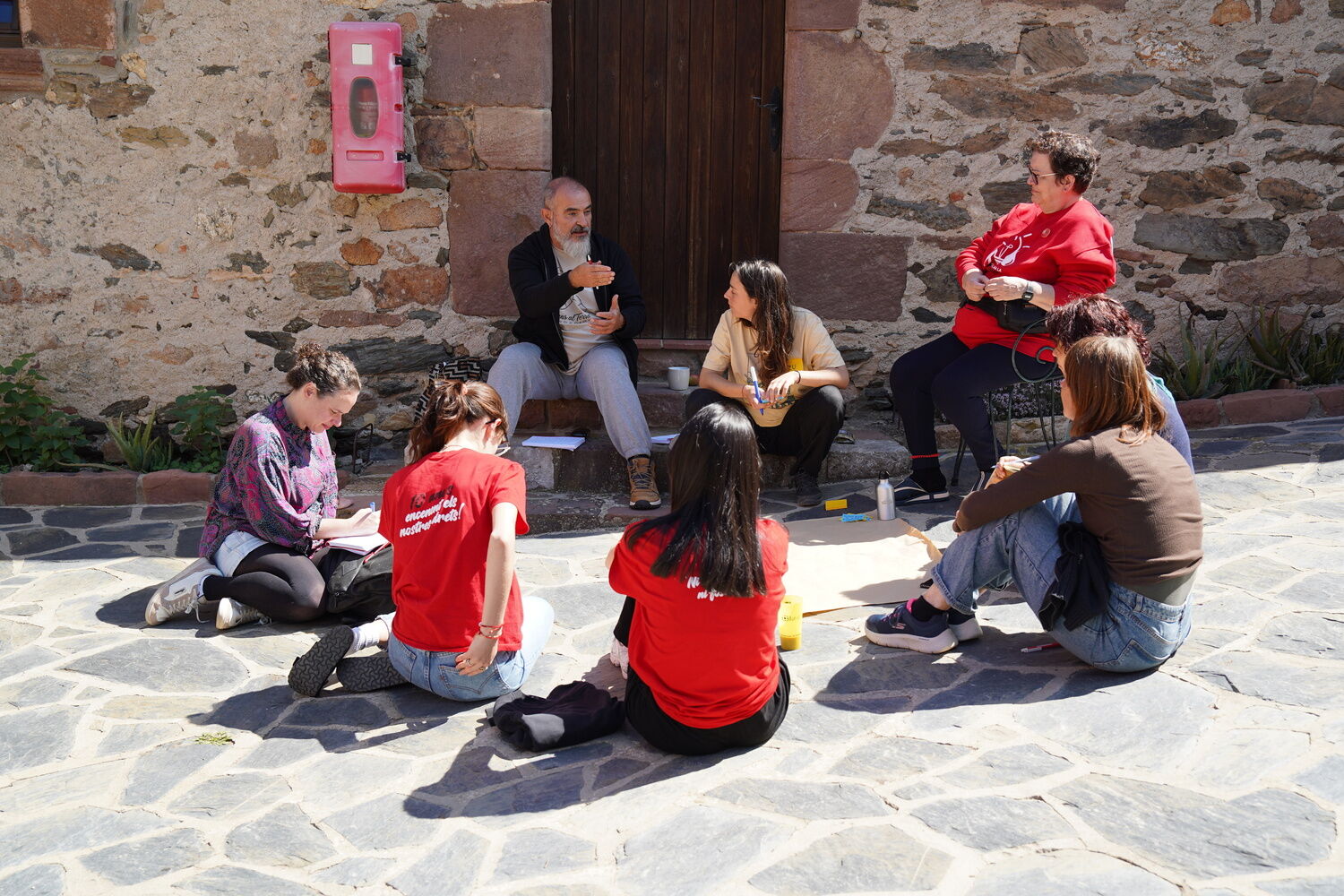
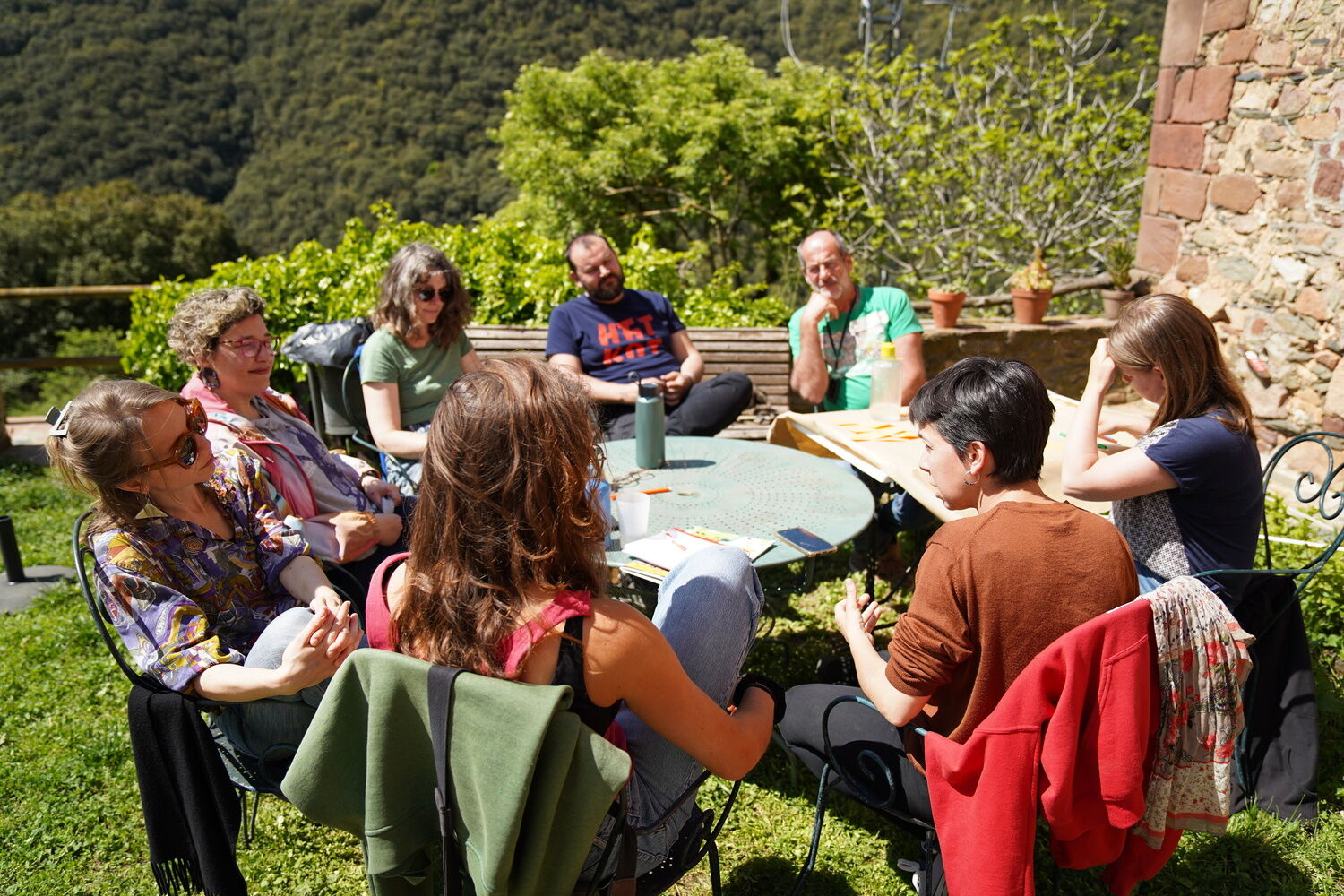
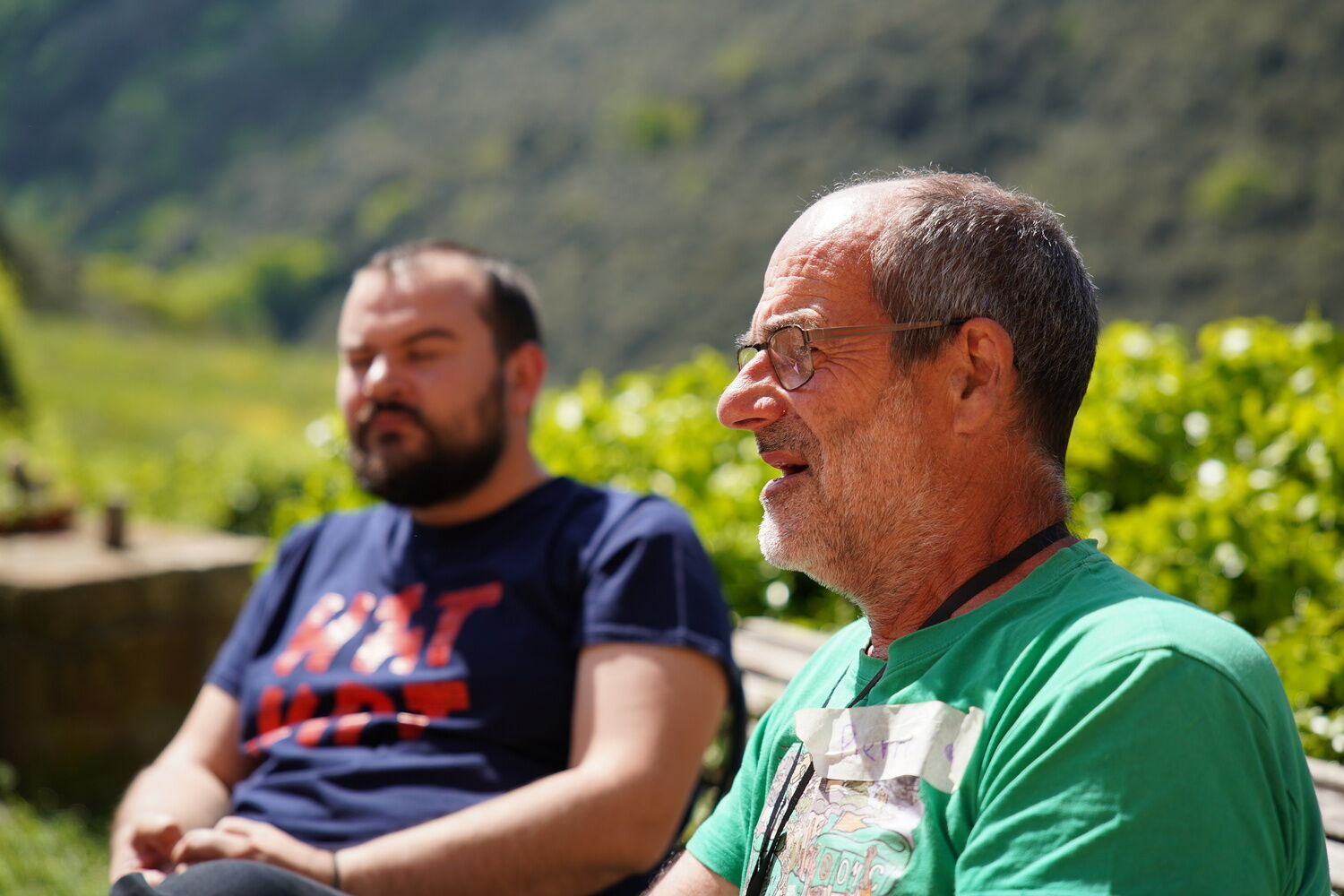
During the three-day meeting in Spain, MAB representatives presented the history of their movement and its decades-long struggles in South America, while European organization representatives pointed out similarities with battles across Europe. Discussions included questions about alternatives and what strategies and tools could be used for a united struggle against harmful projects and the private interests of capitalism, which are consuming public resources and territories, and threatening people, land, and water around the world.
“Exchanging experiences and ideas, and getting to know different cultures are extremely important for understanding the global context and the world we live in. These kinds of meetings and networking create new paths for action and activism in a broader sense. Air, water, and land know no borders—and after such meetings, you realize that neither do major investors and harmful environmental projects. The experiences of individuals and communities from other countries who have faced or are currently facing threats to public resources and human rights are crucial for reflection and action in our own country, as well as for understanding the potential negative impacts of certain projects. It’s essential to act preventively to avoid similar projects being implemented here and to be able to communicate with the public using clear arguments based on facts—facts that we gain precisely from meetings like these,” emphasized Sandra Josović, Communications Manager at the Center for Environment.

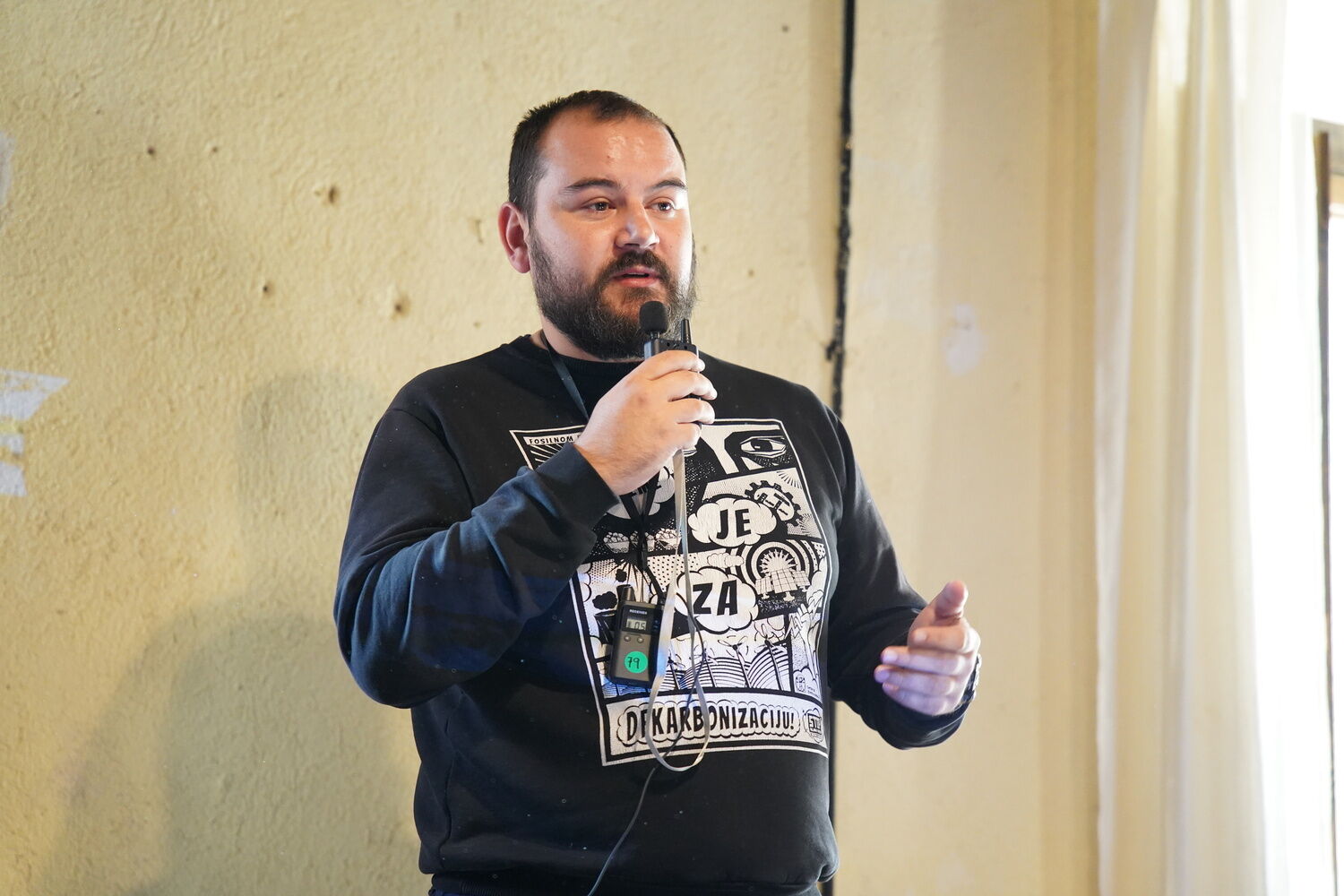
Vladimir Topić, Energy and Climate Change Program Coordinator, stressed that all over the planet, we see various examples of how the neocolonial extractivist approach and large capital trample over ordinary people and the natural environment that sustains life for many communities:
“This is especially evident in the Global South, where industry has caused extensive damage, leaving regions impoverished and devastated. That is why it is very important to connect, exchange experiences, and unite our efforts to form a global resistance of communities affected not only by dams, but also by mining and an unjust energy model. We must clearly and resolutely continue the fight for the protection of fundamental human rights, water, and fertile land—otherwise, false energy transitions and corporations that seize land will lead us into a deep abyss with no way back.”
The meeting in Spain concluded in Barcelona with an action organized by the co-hosts of the gathering, the organization “Aliança contra la Pobresa Energètica” (Alliance Against Energy Poverty), in front of the Catalonian headquarters of one of the largest energy companies, Endesa-Enel. The goal was to draw public attention to human rights violations and the lack of fair access to energy for thousands of Catalan households.



The project is supported by a Core Grant from the regional project SMART Balkan – Civil Society for a Connected Western Balkans, implemented by the Center for Civil Society Promotion (CPCD) Bosnia and Herzegovina, the Center for Research and Policy Making (CRPM) North Macedonia, and the Institute for Democracy and Mediation (IDM) Albania, and financially supported by the Ministry of Foreign Affairs of the Kingdom of Norway.
