
Poaching remains a persistent issue in Livanjsko and surrounding karst poljes, though some progress has been made. Key conclusions from the “Combating Poaching in Livanjsko and Surrounding Poljes”workshop emphasized the need for stronger inter-institutional cooperation and further education. The event was co-organized by the Center for Environment and the Ministry of Agriculture, Water Management, and Forestry of Herzegovina-Neretva Canton in Livno.
The workshop facilitated knowledge-sharing among representatives of relevant institutions and hunting associations. Experts Dejan Radošević (Head of Biodiversity at the Republic Institute for Protection of Cultural-Historical and Natural Heritage of Republika Srpska) and Željko Sekulić (President of Hunting Association ‘Tetrijeb’ Teslić) led the discussions.
Radošević: “Poisoning Threatens Every Level of the Food Chain”
The first lecture focused on wildlife poisoning and illegal killing, providing an overview of the situation in Bosnia and Herzegovina and beyond. Attendees learned how to identify poisoning signs in the field and other forensic investigation methods.
“In all honesty, poisoning cases have decreased compared to previous years, but it still occurs—and it endangers all levels of the trophic pyramid. Poisoning is non-selective; through bioaccumulation in food chains or direct exposure, even humans are at risk, as seen recently in Banja Luka with the dog poisoning incident at Banj Brdo, a popular family spot. Poisons enter circulation through both legal and illegal channels, making stricter monitoring, prevention, and penalties for illegal sales crucial,” stated Radošević.

Sekulić: “Institutional Support is Vital in Poaching Prevention”
In his lecture, “From Field to Courtroom: Prevention, Evidence, and Prosecution of Poaching,” Sekulić shared case studies from his extensive experience, detailing common poaching methods, prevention strategies, and legal procedures to ensure justice.
“A gamekeeper’s job is highly specialized—physically demanding and requiring deep knowledge of terrain, wildlife biology, laws, and human nature. It takes persistence and courage. Only those who truly love nature and their duty can do it well. These individuals need strong institutional backing—from inspection services to higher authorities—to effectively combat poaching,” concluded Sekulić.
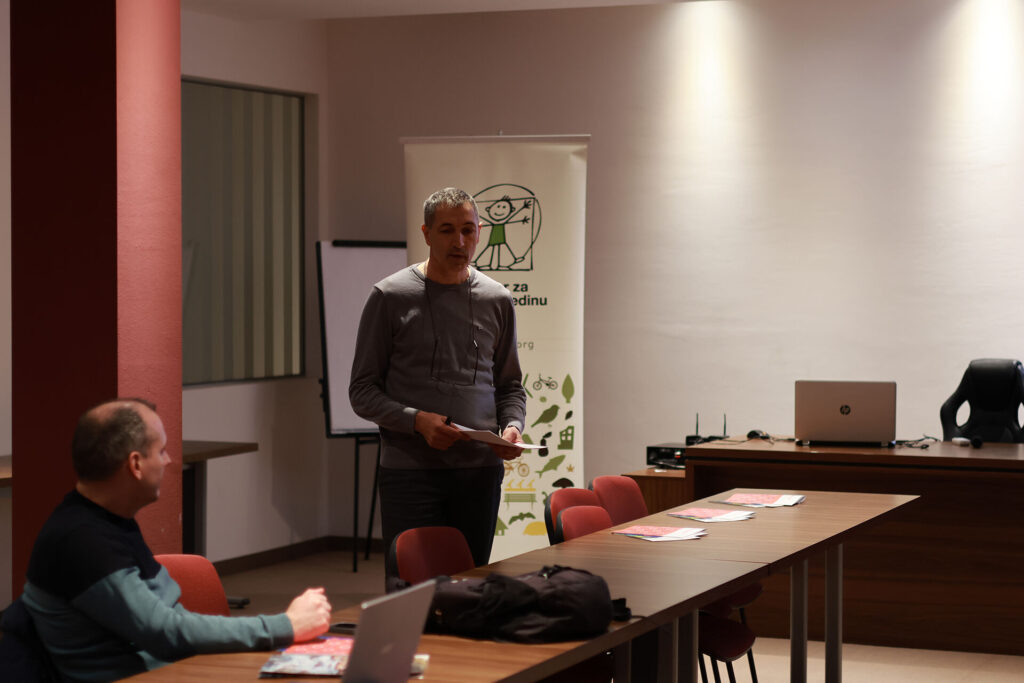
Kalaba: “Poachers Harm Both Nature and Ethical Hunters”
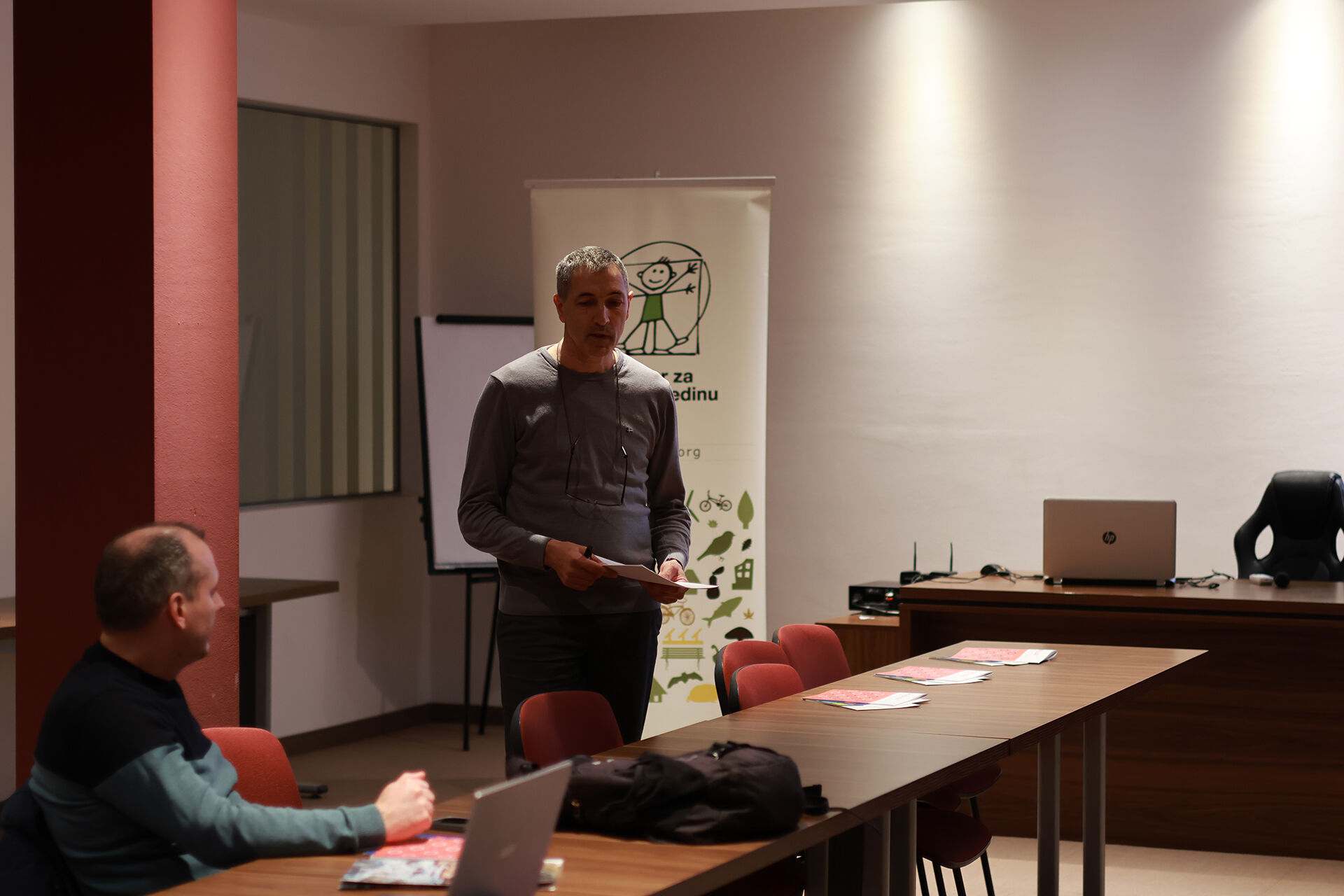
Igor Kalaba, Program Coordinator at the Center for Environment, presented a Draft Operational Protocol for Addressing Poaching in Herzegovina-Neretva Canton (Canton 10). This document clarifies legal frameworks for reporting poaching incidents.
“This protocol is for hunters and civilians alike. It concisely explains legal vs. illegal hunting and outlines steps to report suspected poaching. While most hunters operate ethically, the minority who poach cause significant damage—to nature and the reputation of all hunters. We are encouraged by the enthusiasm here, despite the complex challenges ahead,” said Kalaba.

The Center for Environment extends special thanks to the Ministry of Agriculture, Water Management, and Forestry of Herzegovina-Neretva Canton for supporting this workshop.
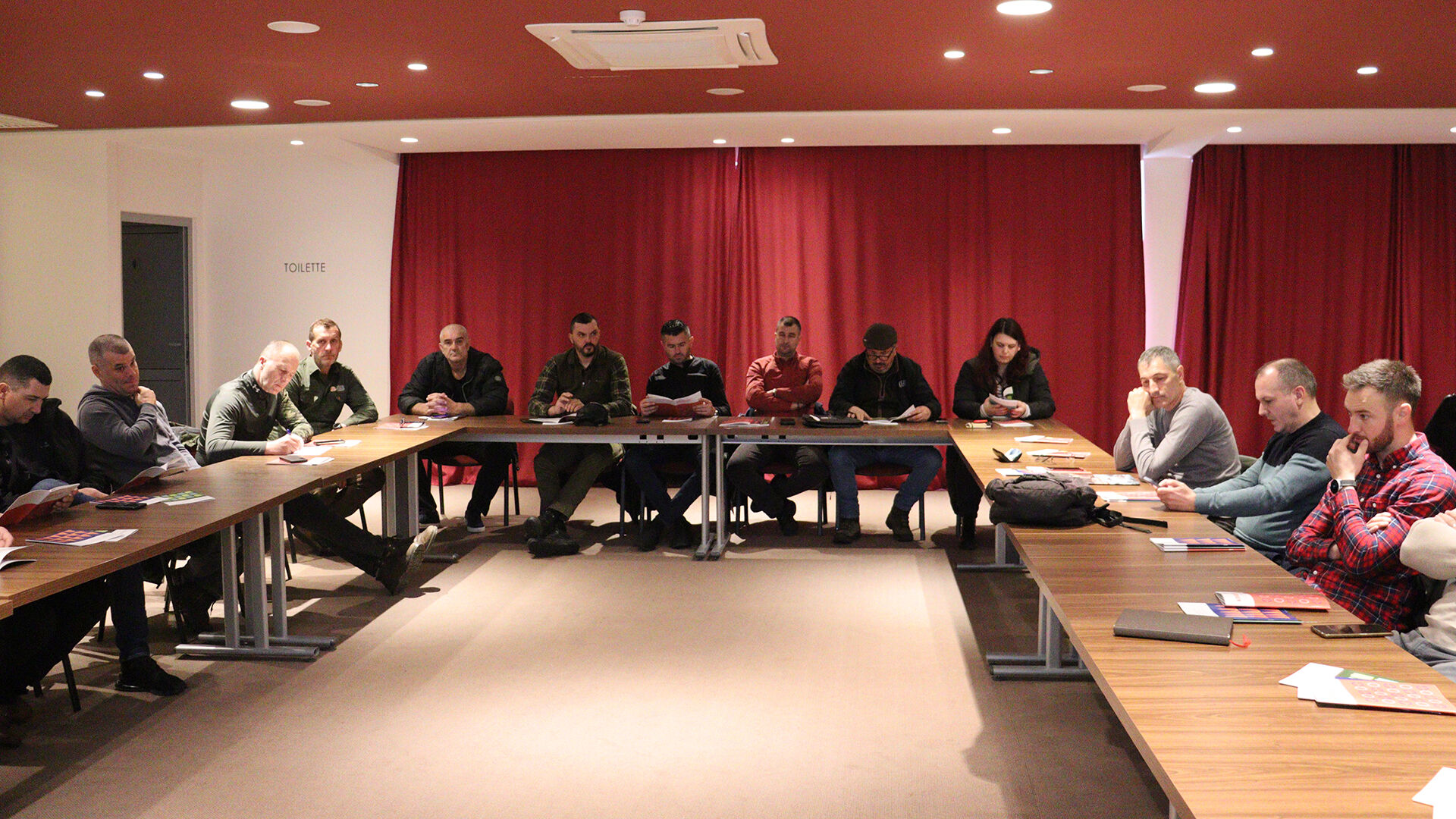



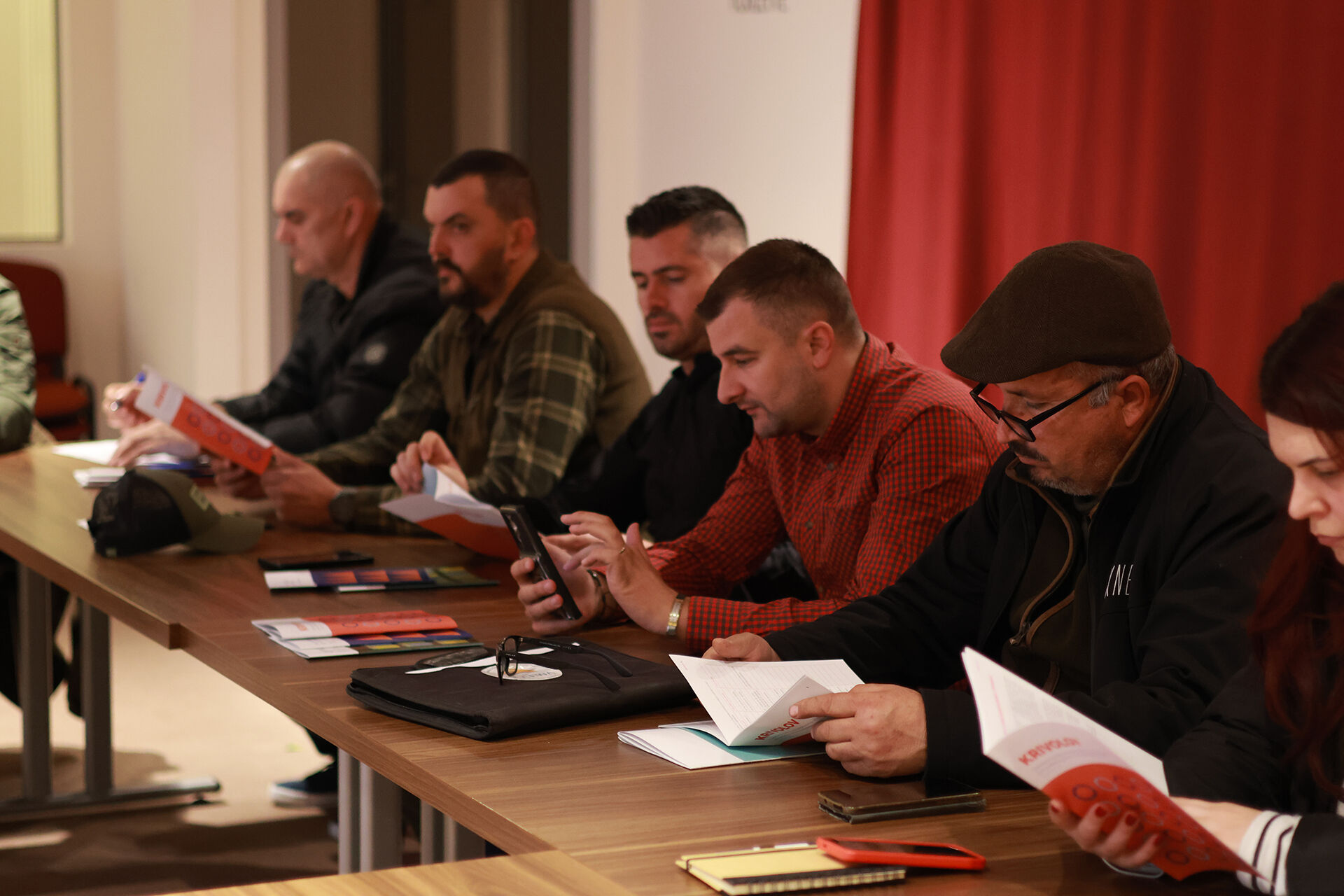


The event was part of the “Sustainable Future of the Freshwater Ecosystem in Livanjsko Polje, Bosnia and Herzegovina” project, implemented by the Center for Environment in partnership with the Ornithological Society “Naše Ptice” and EuroNatur, with support from the DIMFE Foundation.