
In April 2024, the Center for Environment opened a call for organizations and individuals from Glamočko Polje interested in protecting and promoting its natural wealth, traditional practices, and sustainable development.
The grant recipients were the organizations “Glamočki Krompir” (Glamoč Potato) and the Volunteer Firefighting Association “Glamoč.” Their projects were selected for advancing economic activities that help mitigate negative phenomena in the polje, such as land abandonment and wildfires, while also improving the quality of life for local communities. These efforts contribute to the preservation and revitalization of the area.
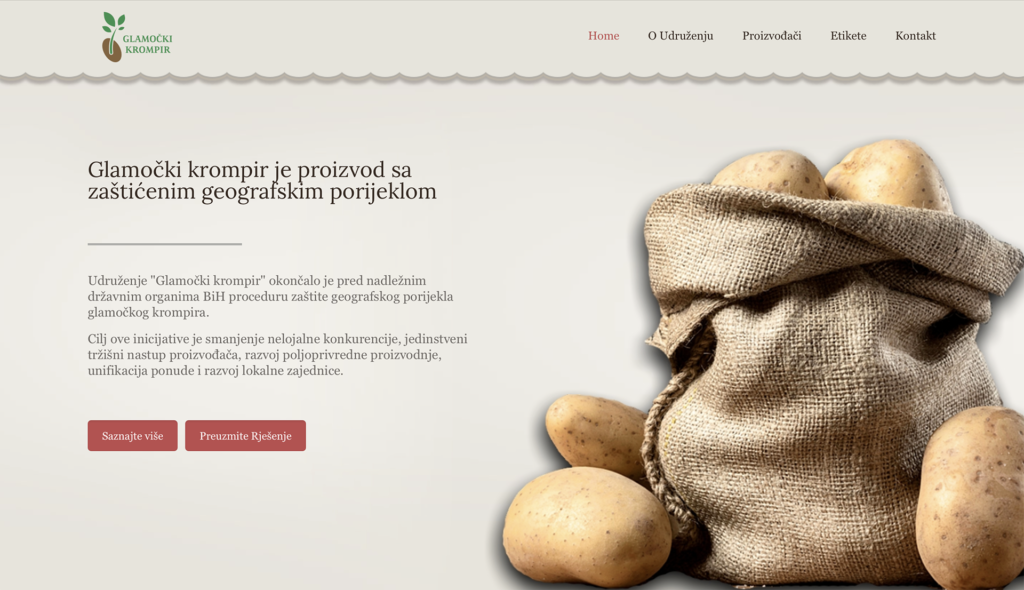
“The town of Glamoč is synonymous with potatoes. This inspired the idea to pursue protected geographical origin status. Our motivation stemmed from both necessity and potential. Beyond practical work, we focused on building connections and expanding the vision. This led us to the Center for Environment, which funded one of our projects. As a result, we gained media attention and acquired essential potato packaging equipment, helping establish our product in the market. I must highlight the professionalism and expertise the Center for Environment brought to realizing our idea. Everything is verifiable at www.glamockikrompir.org and in the marketplace itself,” said Siniša Šolak from “Glamočki Krompir.”
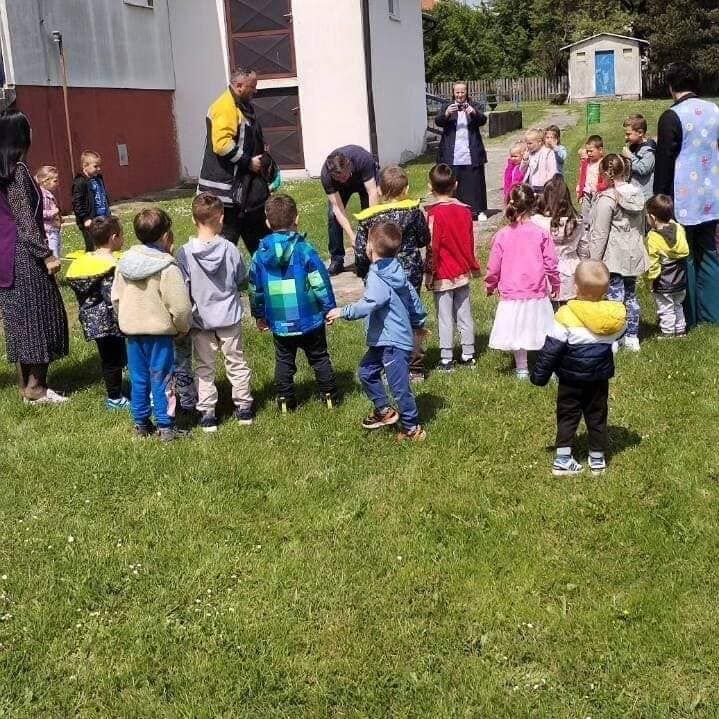
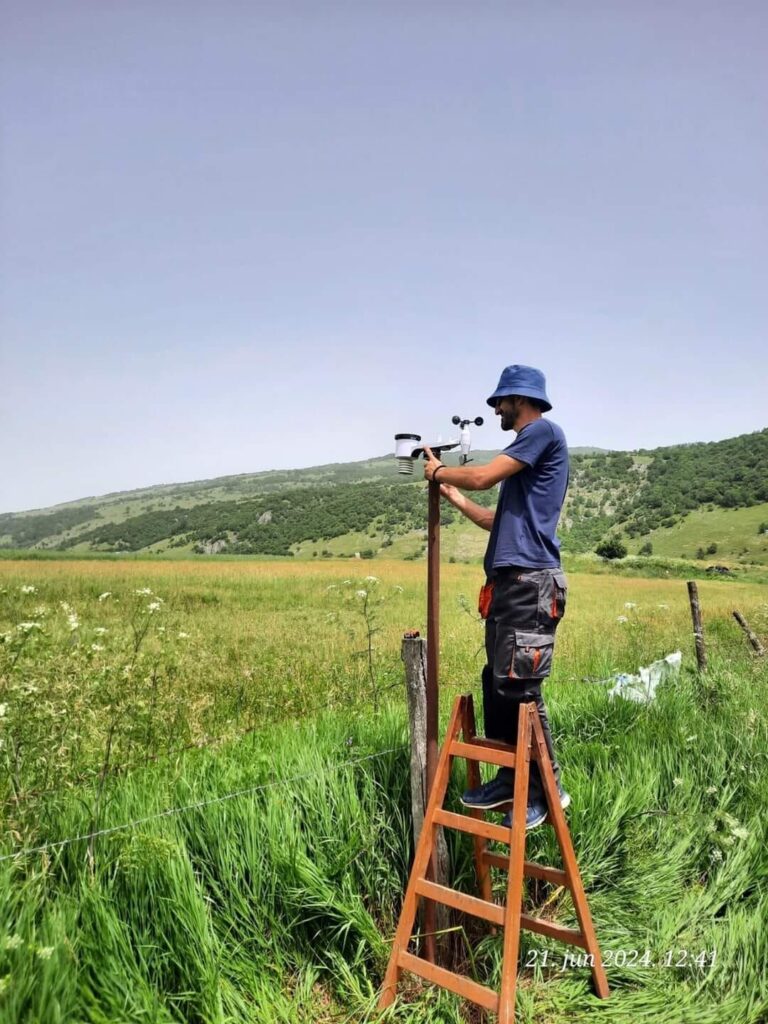
Meanwhile, the Glamoč Volunteer Firefighting Association used its grant to hold workshops raising awareness about fire prevention and its impact on agriculture. Additionally, they purchased and installed three weather stations, which will not only aid in fire prevention but also benefit local farmers.
“Glamočko Polje and surrounding areas face negative trends—unfortunately, these stories dominate the news, not necessarily because they’re more frequent, but because they attract more attention. However, there are also positive examples: local-patriots, individuals, and organizations dedicated to sustaining life here, protecting nature and cultural heritage, and putting their communities on the tourist map. We often emphasize—karst poljes have been shaped by centuries, even millennia, of human presence, just as people have been shaped by the poljes, mountains, and ecosystems they inhabit,” said Nataša Crnković, Biodiversity and Protected Areas Program Coordinator at the Center for Environment.
A similar call was held in the previous two years, targeting organizations from Duvanjsko and Kupreško Polje. In Duvanjsko Polje, the Center for Environment supported two local associations: “Kultura i Mladi Tomislavgrad” (Culture and Youth Tomislavgrad) for creation of a hiking trail, and “Speleološko Društvo Mijatovi Dvori” (Mijatovi Dvori Caving Society) for the preservation of Dahne Cave (read more here).
In Kupres, the Center for Environment backed an initiative by the Mosor Ecological Society to tackle illegal dumpsites and improve waste management, as well as Dario Batinić’s sustainable tourism project. With grant support, Batinić made his handcrafted rental cabin fully self-sufficient using solar panels and a water pump.

“Kupreško Polje has all the prerequisites to be a top destination for active, sustainable tourism. Hiking, biking, horseback riding, birdwatching, healthy and authentic food, Kukavičko Lake, proximity to other poljes and mountains, and even the Adriatic Sea make Kupres a paradise for travelers seeking untouched nature—and their numbers grow yearly. But for this kind of tourism to thrive, the offerings must align with nature, and we must all do our part to protect and sustainably manage the polje and its surroundings,” said Batinić.
The Mosor Ecological Society used its project funds to procure waste containers, which will be placed across the municipality once waste disposal agreements are finalized.
“Waste management is a challenge for most municipalities in BiH—none can boast ideal conditions. Small municipalities struggle especially due to limited resources. In Kupres, the issue is particularly jarring because of its pristine nature. Illegal dumpsites, sometimes even in caves—which often serve as biological treasure chests—are a disgrace. Additionally, the area is extremely windy, meaning improperly disposed waste gets scattered across the polje,” said Igor Kalaba, project assistant.
These small grants are part of the “Sustainable Future for Livanjsko Karst Polje in Bosnia and Herzegovina” project, which aims to promote and protect Livanjsko polje and other karst poljes in BiH. The Center for Environment implements it in collaboration with the Ornithological Society “Naše Ptice” and EuroNatur, with support from the DIMFE Foundation.