
Biological research of the Sana and Rzav rivers in Bosnia and Herzegovina, conducted over the past two years through the activities of the “Gems of Nature” project—a joint initiative by the associations Center for Environment, Dr. Stjepan Bolkay Center, Aarhus Center in BiH, and the Czech organization Arnika—has revealed a natural treasure trove of rare species. Scientists who studied the area discovered numerous species in the ecosystems of these rivers that had never before been recorded in Bosnia and Herzegovina.
On the International Day of Action for Rivers, observed every March 14, they emphasize that the research findings should serve as an imperative for declaring new protected areas and ensuring systematic protection of the ecosystems surrounding Europe’s last wild rivers.
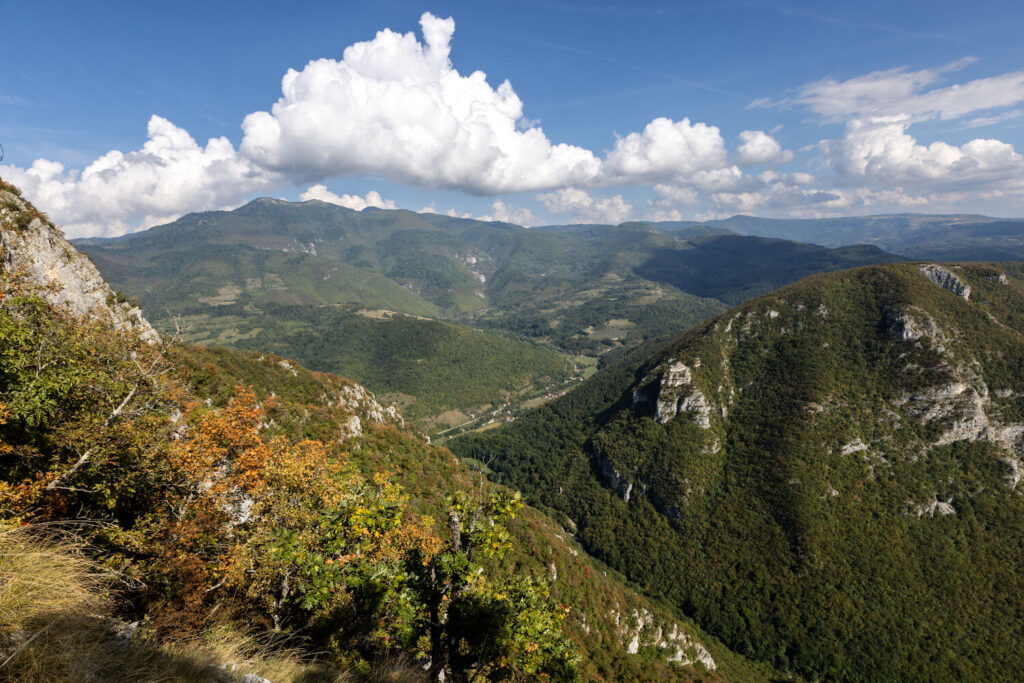
Sana: A Wide Spectrum of Species Discovered
Bosnia and Herzegovina is rich in diverse ecosystems, often connected to the last wild rivers of Europe. This is evidenced, among other things, by 304 species of flora and fauna identified through biodiversity mapping in the upper course of the Sana River. Field research primarily revealed a wide range of species, from hidden cave dwellers such as bats, to the habitat of the huchen (Danube salmon), and natural nesting grounds for the peregrine falcon. During the study of the Prizrenac or Prizren-Grad canyon on the Sana, 15 species of amphibians and reptiles were identified, including several protected species.
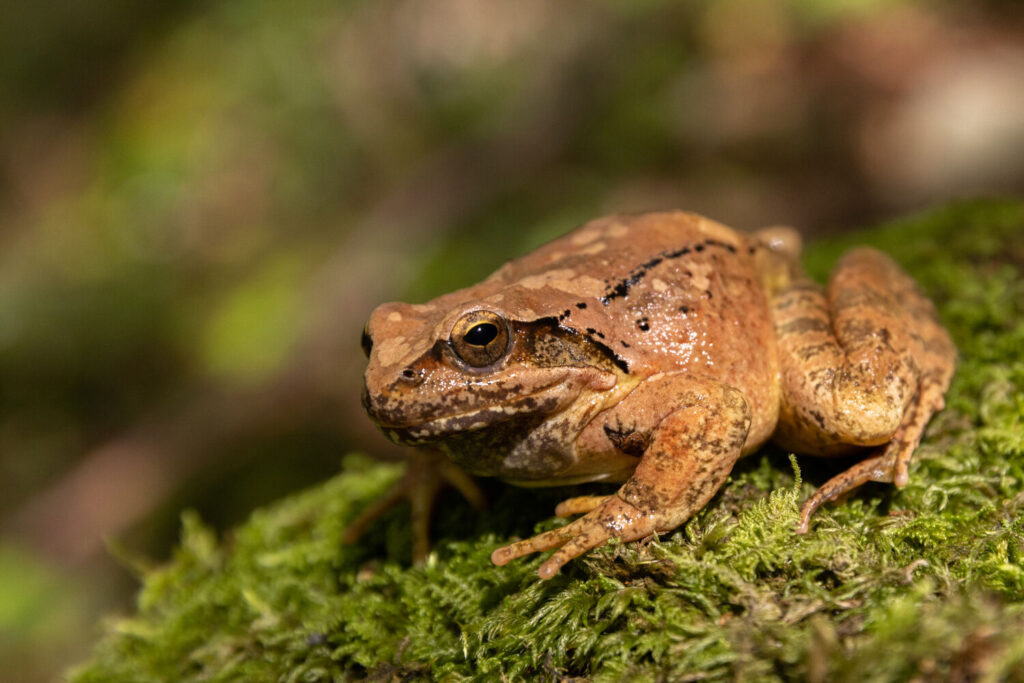
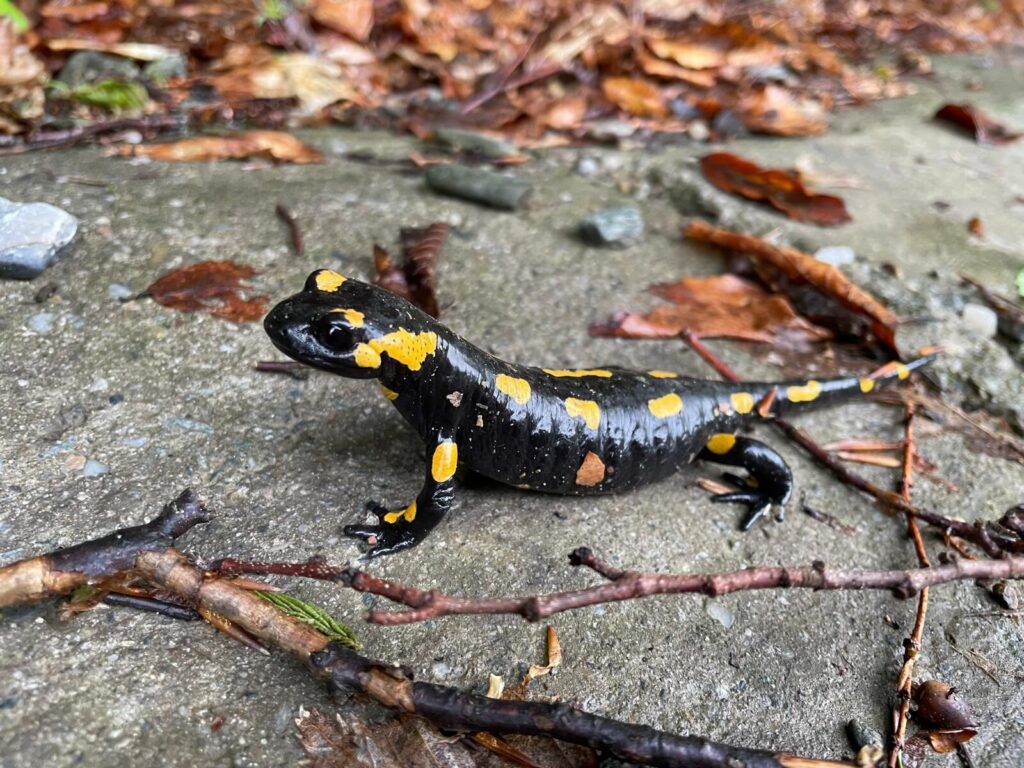
“The amphibian trio definitely stands out. We found the fire salamander—a beautiful creature that requires a stable living environment and is highly sensitive to changes in water regime. It is classified as endangered on the IUCN Red List. Other interesting inhabitants include the yellow-bellied toad and the Greek frog, both of which fall into the category of ‘strictly protected species under local regulations’,” stated Saudin Merdan, biologist and president of the Dr. Stjepan Bolkay Center.
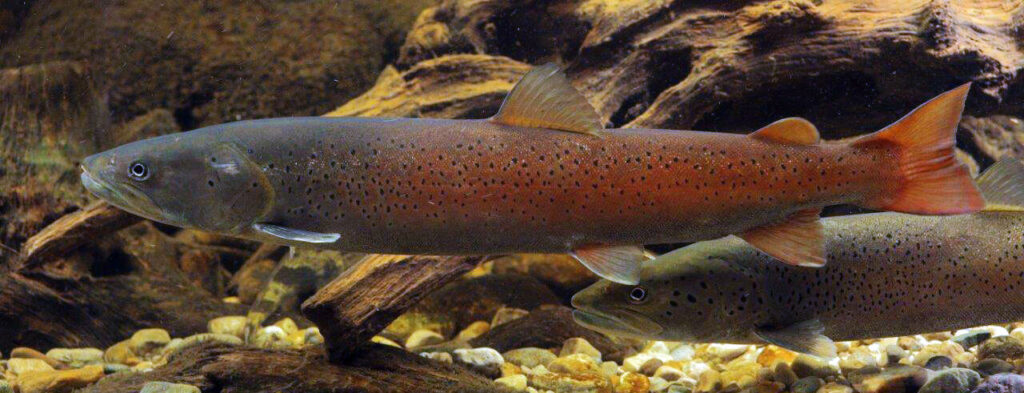
Biodiversity mapping also revealed eight different species of bats, including several protected under the European Natura 2000 system, as well as several fish species, proving that this area is inhabited by species heavily dependent on clean water and undisturbed ecological conditions—such as brown trout and huchen, which also find habitat in these waters.
However, official protection of the Sana River from potential threats like hydropower projects—which could disrupt and alter the river’s course—remains uncertain. Still, by all accounts, the priority should currently be given to official protection and sustainable development in the area.
“It is well known that the Sana River is characterized by a high level of biodiversity and cultural significance. Given the planned hydropower projects, especially in the canyon where we conducted our research, it is extremely important that these unique areas are fully protected,” warns Vladimir Topić, coordinator of the Energy and Climate Change Program at the Center for Environment in Banja Luka.
He highlights that the initiative to declare the Prizren Grad canyon a protected area was officially submitted to the Ministry for Spatial Planning, Construction, and Ecology of Republika Srpska and accepted as early as 2019. What now remains is the final step—formal declaration of protection.
Previously, an initiative by the Center for Environment and Arnika led to the proclamation of the Vrelo Sana area as a “Natural Monument” in 2021, a significant success, though the protected area is limited to about 3.2 square kilometers.

Rzav: New Spider Species Discovered
The second part of the biological research, specifically focusing on spiders, was conducted in the Rzav River valley. This study, led by Czech arachnologist Ondřej Machač, added many new species to the list of spiders inhabiting Bosnia and Herzegovina’s natural environment.
A total of 140 spider species were discovered, 53 of which had never been recorded in BiH. Along the gravelly riverbanks, rocky meadows, and deciduous forests, experts also identified several spiders and harvestmen classified as endangered or critically endangered, such as Phaeocedus braccatus, Brigittea latens, Uloborus walckenaerius, and others. The region is also home to one scorpion species and several pseudoscorpions.

“Bosnia and Herzegovina is blessed with some of the most diverse ecosystems in Europe. However, these areas are increasingly threatened by habitat destruction, pollution, and other unsustainable land uses. This becomes doubly problematic considering that only around 3% of BiH’s territory is officially protected—compared to nearly 30%, the EU average. It is clear that the share of protected areas should increase, but it is also important to discuss the implementation of rigorous nature protection systems, such as the European Natura 2000 model, and to support local people who want to work on protecting their environment,” concludes Zuzana Vachůnová, international coordinator of the “Gems of Nature” project from the Czech organization Arnika.
Arnika has a long history of cooperation with local environmental organizations in Bosnia and Herzegovina. In the past, they mainly worked together to help local communities protect rivers from the destructive construction of small hydropower plants. The current project, supported by the Transition Promotion Program of the Czech Ministry of Foreign Affairs, primarily aims to secure new protected areas and strengthen systemic protection of Bosnia and Herzegovina’s unique biodiversity.
Notes
[1] – Specifically, the following bat species were recorded: Rhinolophus ferrumequinum, Nyctalus noctula, Pipistrellus pipistrellus, Pipistrellus pygmaeus, Pipistrellus kuhlii, Hypsugo savii, Miniopterus schreibersii, Barbastella barbastellus, the phonetic group Pipistrellus kuhlii/nathusii, and genus Myotis. These are the first bat records for the Sana canyon area. Of the recorded species, three are on the Natura 2000 list. All are also protected under the international UNEP/EUROBATS Agreement, to which Bosnia and Herzegovina is a signatory.
[2] – During ichthyofauna field studies in the upper Sana River, four fish species were recorded (brown trout, chub, barbel, and two-banded bleak). These species are characteristic of the upper river course, especially fast, well-oxygenated, clean, cold waters, and have very limited adaptability to altered ecological conditions. The Sana River is also home to grayling and huchen (often called Danube salmon), a clear indicator of the habitat’s importance.
[3] – The research was conducted in June 2024 in the Višegrad-Dobrun area on the Rzav River. Other significant findings include Minicia marginella, Arctosa cinerea, Piratula knorri, and species from the Leptonetidae family, found in the Orlovska Cave area. Photo (by Ondřej Machač) of one of the rarest species, the critically endangered Phaeocedus braccatus.