Last week (May 5–8, 2025), a three-day tour of environmental activists from Serbia and Bosnia and Herzegovina took place across the Federal Republic of Germany, organized by the movement ZBOR (United Balkan Resistance and Labor), which brings together activists from various regions of Europe. As part of the tour, visits were made to the cities of Kassel, Berlin, and Frankfurt am Main, where a series of meetings were held with different organizations (associations, trade unions, ministries) on the topic of future mining of critical raw materials in the Balkans. Public panels and discussions were also held to raise awareness among the German public about the problems caused by mining in the Balkans.
Participants in this visit included representatives from the Center for Environment from Banja Luka, Uprising for Survival – Prijedor Awakens, Attivo from Kupres, the Pliva Valley association from Jezero, as well as environmental activists from Serbia representing the associations Ne Dam(o) Jadar, Save the Zlot River, Polekol – Organization for Political Ecology, and the Rangers of Eastern Serbia.
Kassel: Presentation of the Situation in BiH and Serbia
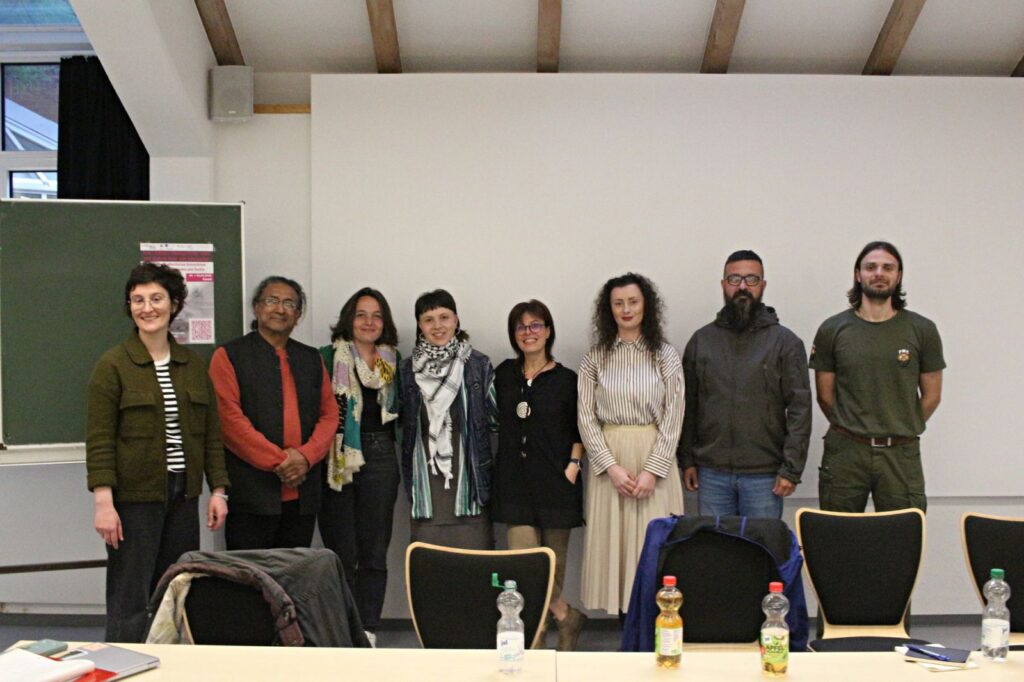
During the stay in Kassel, a meeting was held with environmental activists and members of the Global Labour University, where a workshop titled “Introduction to the Online Course: Just and Green – The Ecological Question of Labor” took place. The workshop focused on the possibility of creating decentralized, globally connected learning spaces for workers and trade unionists, through online courses, webinars, and localized workshops. Participants were given a detailed overview of the situation in Serbia and Bosnia and Herzegovina regarding the mining of critical raw materials, with an emphasis on the active resistance of local populations.
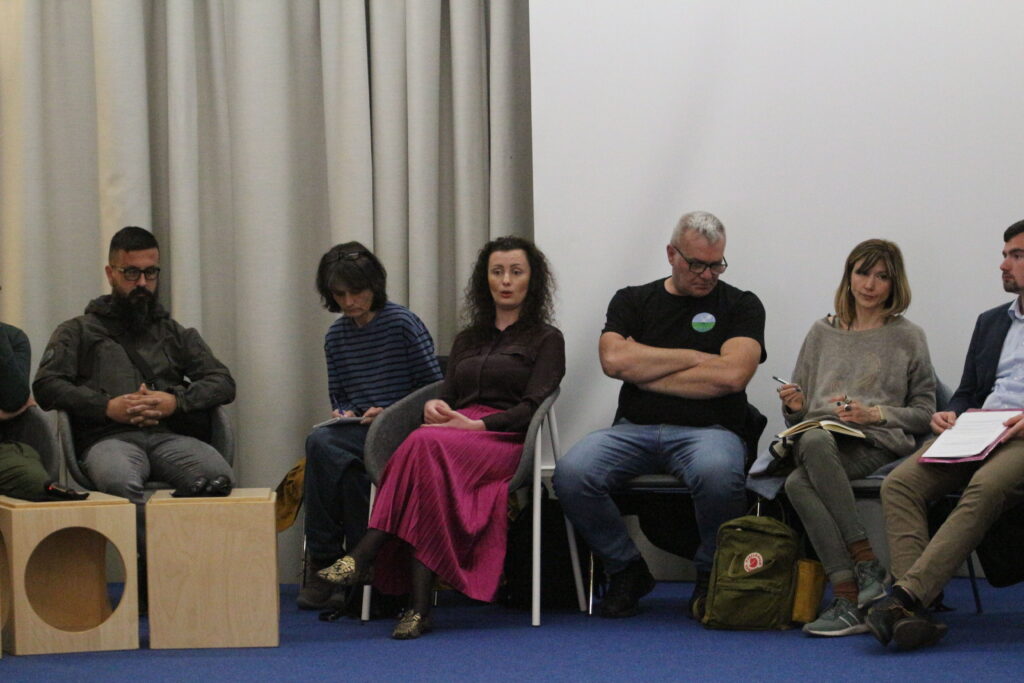
In the evening, a panel discussion titled “Green Transition” and its negative effects on the Balkans was held at the University of Kassel campus. The aim of the discussion was to explore the political agendas of the EU, national governments, and local elites in the context of the resource struggle in the Balkans; analyze the strategies of multinational corporations behind mining operations, with a focus on differences between Chinese, American, European, and Australian capital; consider the consequences of mining on local communities, their organizations and demands; and examine the impact of these activities on the politics of socio-ecological transformation, while exploring possible ways forward — emphasizing the alignment of interests between the “core” and the “periphery.”
Berlin: Meetings with Institutional and Organizational Representatives
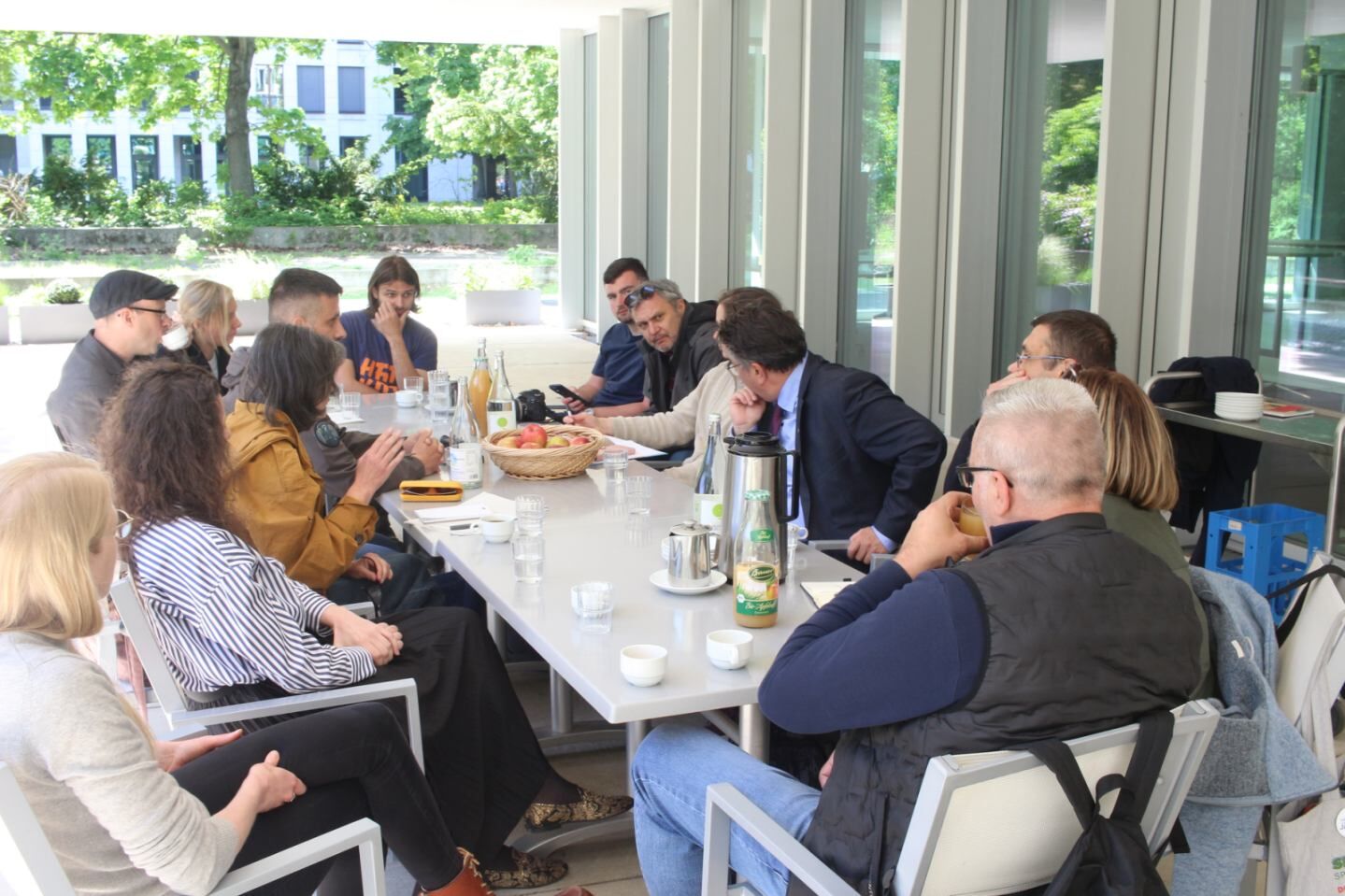
On the second day, activities continued with a series of meetings involving various relevant stakeholders. The first meeting took place at the Federal Ministry for the Environment, Nature Conservation, Nuclear Safety, and Consumer Protection, where discussions were held with Dr. Mareike Bodderas, responsible for Eastern Europe, Central Asia, Africa, and the Middle East. On this occasion, environmental activists pointed out the harmful consequences of mining in the Balkans, explaining how such activities devastate nature and significantly contribute to the displacement of populations who rely on agriculture and tourism for their livelihoods. Despite this, the Ministry representative firmly expressed the view that future mining is an opportunity the Balkans must not miss, claiming that such excavations are conducted according to the highest European environmental standards — a stance that met with strong disagreement from all activists present.
After the Ministry meeting, a working session was held with representatives from PowerShift (Association for an Ecological and Solidary Energy and Global Economic System), where the topic of mining critical raw materials in the Balkans was further discussed, including how it is conducted and its harmful consequences.
A particularly notable meeting was held with the German Trade Union for Mining, Chemicals, and Energy – IGBCE, where the state of current excavations in Balkan countries was presented, with an emphasis on respect for labor rights and basic human rights — primarily the right to life. The need for mutual action and finding shared goals to oppose harmful mining practices that impact society as a whole was expressed.
The final Berlin meeting took place at the offices of the Heinrich Böll Foundation (HBS), which works closely with the German Green Party. The discussion centered on the state of critical raw materials mining in the Balkans, with German parliament member Boris Mijatović also attending.
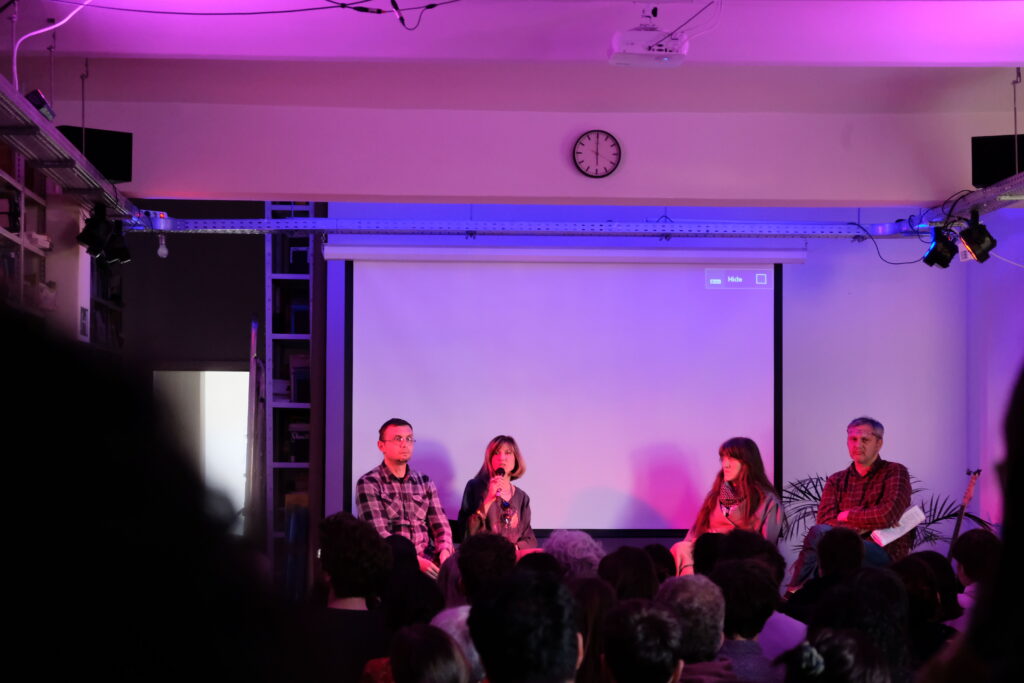
In the evening, a series of activities titled “Struggles Against Extractivism and the Unjust Green Transition” took place at the diffrakt/Center for Theoretical Periphery. This included a public forum discussing current and future mining operations in the Balkans and their harmful impact, as well as the screening of the documentary “Flotacija” by directors Eluned Zoe Aiano and Alesandra Tatić, which addresses the consequences of mining activities in Bor.
Frankfurt am Main: Public Forum and Screening of “Flotacija”
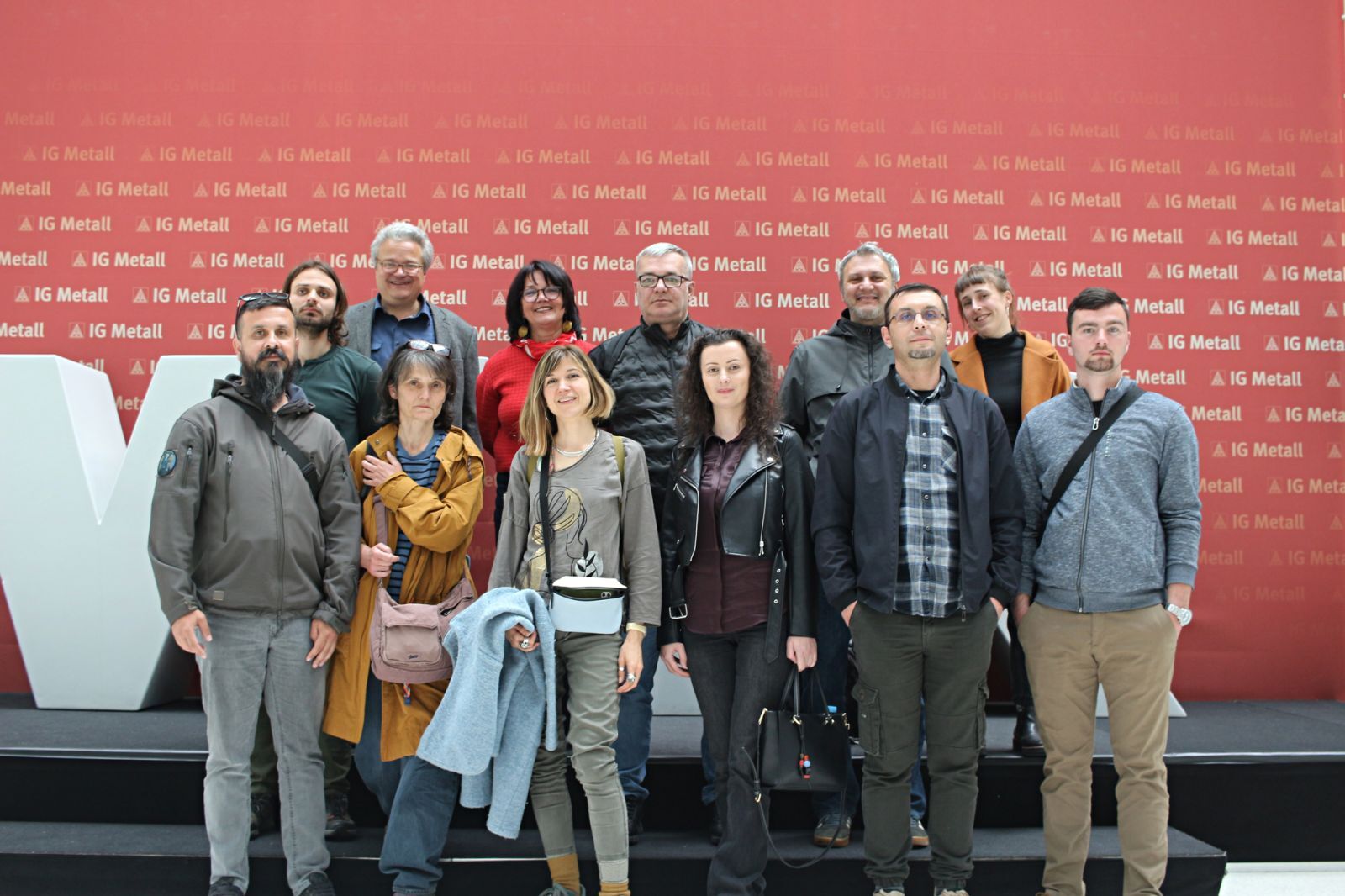
The final day was reserved for a meeting with Germany’s largest metalworkers’ union – IG Metall. During the meeting, the current and potential future mining operations in the Balkans were discussed, as well as shared goals and prospects for mutual cooperation.
In the evening, the documentary “Flotacija” was screened at Medico-House, followed by a public forum on the topic of “Green Transition” and its negative effects on the Balkans — marking the final event of the tour.